Backpack Baby Carriers vs Front Carry: Which One Actually Works for You?
Backpack carriers aren’t just for hiking; they can be a game-changer for parents needing hands-free freedom with older babies. Meanwhile, front carry options often get hyped as newborn essentials but can get uncomfortable fast if you’re not careful.
This guide breaks down the real-world pros and cons so you know exactly when to reach for a backpack style and when front carry wins, no fluff.
🔝 Top Picks at a Glance
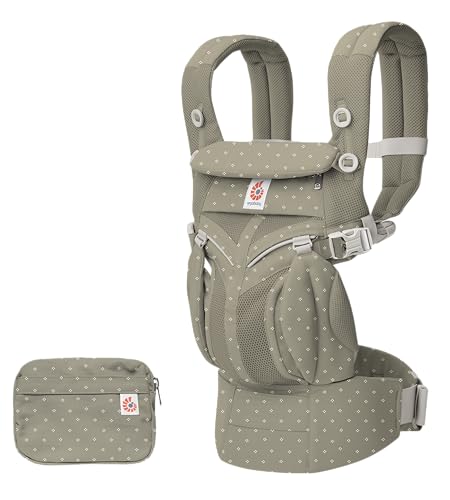
Ergobaby Omni 360 All-in-One Baby Carrier
Versatile for front, back, and hip carry with ergonomic support suited from newborn to toddler. Perfect for parents who want one carrier that does it all comfortably.
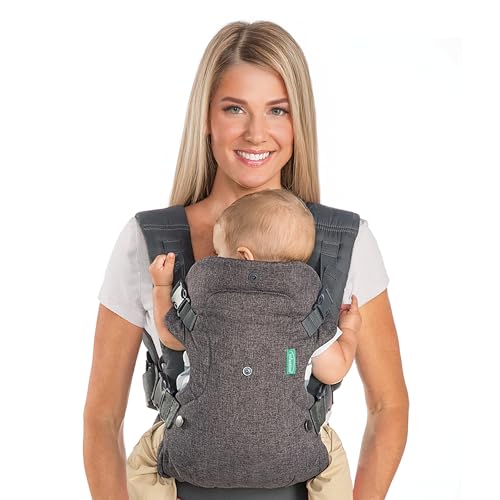
Infantino Flip 4-in-1 Convertible Carrier
Affordable option with multiple carry positions, including front and back, great for parents who want versatility without breaking the bank.

Deuter Kid Comfort Pro Backpack Carrier
Premium hiking-style backpack carrier with superior support and storage, ideal for active families planning long-term use with toddlers.
🧠 What to Look for Before You Buy
Picking between backpack baby carriers and front carry options feels straightforward until you’re juggling a squirming baby and a sore back. Most parents focus on price or style, but comfort, baby’s age, and your activity level matter way more.
Baby's Age and Development Stage
Front carry is usually best for newborns and young infants who need head and neck support. But that changes fast. Backpack carriers shine once baby hits around 6 months and can sit up independently — that’s when you want the weight off your front and more airflow for baby. Avoid front carriers past this point if you want to avoid back pain.
Comfort and Ergonomics for Parent and Baby
Look beyond padded straps. A carrier that evenly distributes weight across hips and shoulders makes all the difference. Poor ergonomics lead to shoulder and back pain fast, especially in front carriers. Backpack carriers designed for hiking often have better lumbar support and adjustable hip belts. If back support is your priority, check out our picks for Best Ergonomic Baby Carriers for Back Support (2026).
Ease of Use and Adjustability
Front carriers tend to be easier to put on solo, especially if you’re sleep-deprived and juggling a cranky newborn. Backpack carriers sometimes require a second person to help, especially hiking-style ones, though some models are designed for solo use. Adjustable straps and sizing options are key—don’t buy a one-size-fits-all if you’re petite or plus size.
Intended Use and Lifestyle
If you’re mostly at home or running quick errands, front carriers offer quick access and closeness. For longer walks, hikes, or toddlers who want to see the world, backpack carriers provide comfort and storage for gear. Also, if you’re tech-curious, a good baby monitor can complement your carrier time — check out the Best High-Tech Baby Monitors with App Integration (2026) to keep eyes and ears on your baby when you set them down.
Choosing the right carrier means balancing these factors. If you’re also considering other carrier types, our Best Baby Carriers for Everyday Use (2026 Buyer’s Guide) digs into options beyond just backpack and front.
🟦 Ergobaby Omni 360 All-in-One Baby Carrier — Best Overall
Ergobaby has been a consistent name for reliable, ergonomic carriers, and the Omni 360 takes that reputation up a notch. It covers front inward, front outward, hip, and back carry positions, making it a one-carrier-fits-all for newborns through toddlers.
Who it's for
Parents who want a single carrier that grows with baby and still offers superior comfort and support for extended wear.
Real-world performance
The padded lumbar support and adjustable waistband make this a lifesaver on longer outings. Switching between front and back carry is smooth, and baby seems comfortable with good head support in all positions. The downside? It’s on the pricier side and bulkier than some front-only carriers. Still, it’s easier to handle solo than many hiking backpacks, and the breathable fabric keeps things cooler.
Also, if you’re checking your phone while baby’s in the carrier, pairing it with a reliable monitor like the Best Baby Monitor Without Subscription (No Monthly Fees – 2026) helps you stay connected without worry.
Value assessment
At around $190, it’s a premium buy but worth it for parents committed to babywearing long-term. Cheaper carriers can’t match the Omni 360’s versatility or comfort features. Look out for sales to get better deals.
Verdict: The Ergobaby Omni 360 is the no-nonsense, do-it-all carrier that justifies its price by staying comfortable and functional across every stage.
🟩 Infantino Flip 4-in-1 Convertible Carrier — Best Budget Option
This carrier hits a sweet spot for price and function, offering front carry (both inward and outward), hip, and back carry positions. It’s not winning any awards for style or ultra-premium comfort, but it gets the job done.
Who it's for
Budget-conscious parents who want multiple carry options and decent support without investing $200+.
Real-world performance
It’s lighter and less bulky than hiking packs, which is a plus for quick trips. Strap padding is minimal, so it can dig in if you wear it for hours. The fabric is less breathable, meaning baby and parent can get hot. Still, for short outings or occasional use, it’s a solid entry-level pick. Just don’t expect to wear it all day.
Value assessment
Under $60, it’s hard to beat for versatility. It’s a good starter carrier or backup, especially if you’re not ready to commit to a high-end model. Just be aware you’re trading off some comfort and durability.
Verdict: The Infantino Flip 4-in-1 is a practical, budget-friendly pick that handles multiple carry styles with acceptable comfort for short-term use.
🟨 Deuter Kid Comfort Pro Backpack Carrier — Best Long-Term Investment
This one’s for the serious hikers and active parents who want a rugged, durable backpack carrier that can handle toddlers and gear for years. It’s basically a hiking backpack with a baby seat, including sunshade, adjustable suspension, and tons of storage.
Who it's for
Parents who spend lots of time outdoors, want the best support for longer treks, and plan to use the carrier beyond infancy.
Real-world performance
The Deuter’s frame and padding blow away soft-structured carriers. You can haul a toddler all day without back agony. It’s not for quick errands or newborns (you need a separate infant insert), and it’s bulky and heavy when empty. Compared to the Ergobaby Omni 360, it’s way better for hiking comfort but less versatile for everyday city use.
Value assessment
The $400+ price tag is steep, but the durability and long lifespan make this a cost-effective pick if you put in years of use. Plus, resale value tends to hold up well because it’s a specialty item. For parents also monitoring baby’s safety on outdoor adventures, pairing with a Best GPS Tracking Baby Monitors (2026): Real-Time Location for Peace of Mind makes sense.
Verdict: If you hike or backpack regularly with your toddler, the Deuter Kid Comfort Pro is worth every penny for its support and longevity.
📊 Side-by-Side Comparison
Ergobaby Omni 360 All-in-One Baby Carrier
- Versatile 4 carry positions
- Ergonomic support for parent and baby
- Breathable fabric
Infantino Flip 4-in-1 Convertible Carrier
- Affordable
- Multiple carry options
- Lightweight
Deuter Kid Comfort Pro Backpack Carrier
- Heavy-duty hiking support
- Adjustable suspension
- Ample storage
*Prices are approximate and may change. Always check the live price on Amazon before buying.
✅ Our Recommendation
Most parents get the most mileage and comfort from the Ergobaby Omni 360 — it’s a solid all-rounder that grows with your baby and handles front and back carry well. If you’re on a tight budget or just want a backup carrier, the Infantino Flip 4-in-1 is surprisingly versatile for the price. For outdoorsy families who hike constantly with toddlers, the Deuter Kid Comfort Pro is a long-term investment worth the splurge.
- Best overall: Ergobaby Omni 360 All-in-One Baby Carrier — versatile, comfortable, and built to last from newborn to toddler.
- Best budget pick: Infantino Flip 4-in-1 Convertible Carrier — affordable multi-position carrier with good short-term comfort.
- Best long-term value: Deuter Kid Comfort Pro Backpack Carrier — rugged, supportive, and perfect for active parents.
❓ Frequently Asked Questions
Which baby carrier is better for newborns, backpack or front carry?
Front carry carriers are generally better for newborns because they provide the necessary head and neck support and allow for close contact, which soothes infants. Backpack carriers usually require babies to have good head control (around 6 months), so they’re not recommended for newborns unless used with a special insert.
Can backpack carriers cause back pain for parents?
Backpack carriers designed for hiking or toddlers typically have better weight distribution, including padded hip belts and lumbar support, which can reduce back pain. However, poorly fitted or budget backpack carriers without these features can cause discomfort. Always adjust straps properly and choose ergonomic designs to avoid strain.
Are backpack baby carriers safe for toddlers?
Yes, high-quality backpack baby carriers designed for toddlers meet safety standards like ASTM and CPSC. They provide secure seating, proper harness systems, and good support. Always check weight limits and follow manufacturer instructions for safe use.
When should I switch from front carry to backpack carry?
Most parents switch around 6 months when baby can sit up unsupported and has strong head control. This switch helps redistribute weight off the front, improves airflow for baby, and allows parents more freedom, especially for longer outings.
Do backpack carriers offer storage and convenience benefits over front carriers?
Definitely. Backpack carriers, especially hiking styles, usually have large storage compartments for diapers, snacks, and gear, reducing the need for extra bags. Front carriers tend to be more compact but offer minimal to no storage, which can be inconvenient on longer trips.