Understanding the True Costs of Breastfeeding vs Formula Feeding
Deciding between breastfeeding and formula feeding is one of the first—and most important—choices new parents face. Beyond health and lifestyle considerations, the financial aspect often gets overlooked or misunderstood. Marketing claims can make breastfeeding seem “free” or formula feeding “expensive,” but the real cost picture is far more nuanced.
With over a decade of hands-on testing and advising hundreds of parents, I’ve seen the surprises and pitfalls when it comes to feeding budgets. This guide cuts through the noise, breaking down all the hidden costs and providing clear, realistic estimates so you can plan confidently.
In recent years, advances in breast pump technology, expanded formula options, and growing awareness of indirect costs have shifted the landscape. Many parents don’t realize how essential equipment, time investment, and supplements factor in. We’ll also cover practical tips to minimize expenses without compromising your baby’s nutrition.
In this guide, we evaluated the best baby feeding essentials of 2026 to help you manage costs effectively, weighing:
- Initial and ongoing expenses for feeding supplies
- Time and convenience trade-offs
- Health and safety considerations
- Long-term financial impact including waste and storage
- Real-world user experiences and expert recommendations
🔝 Top Picks at a Glance
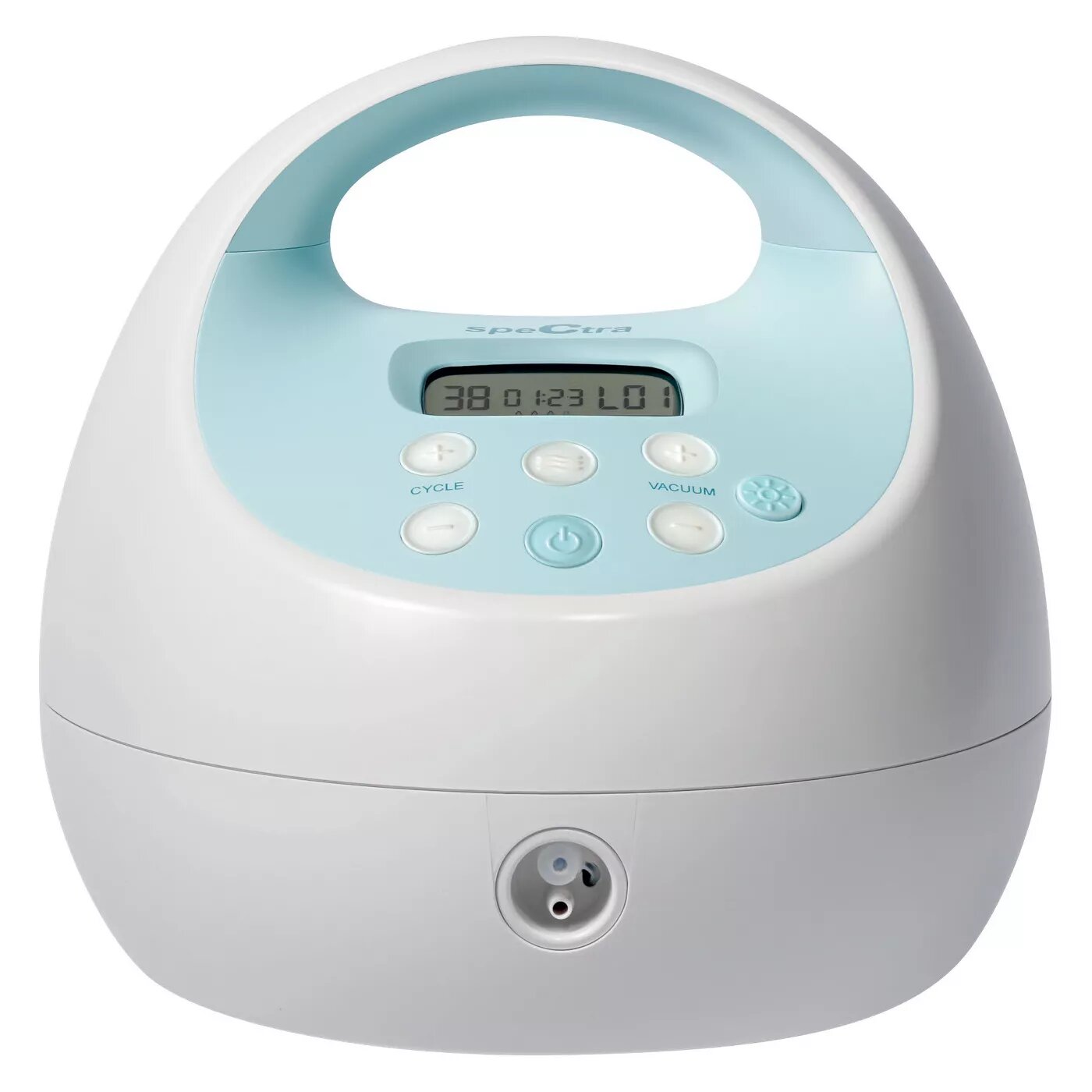
Spectra S1 Plus Electric Breast Pump
A hospital-grade, portable pump with excellent suction and comfort, ideal for frequent pumping moms.
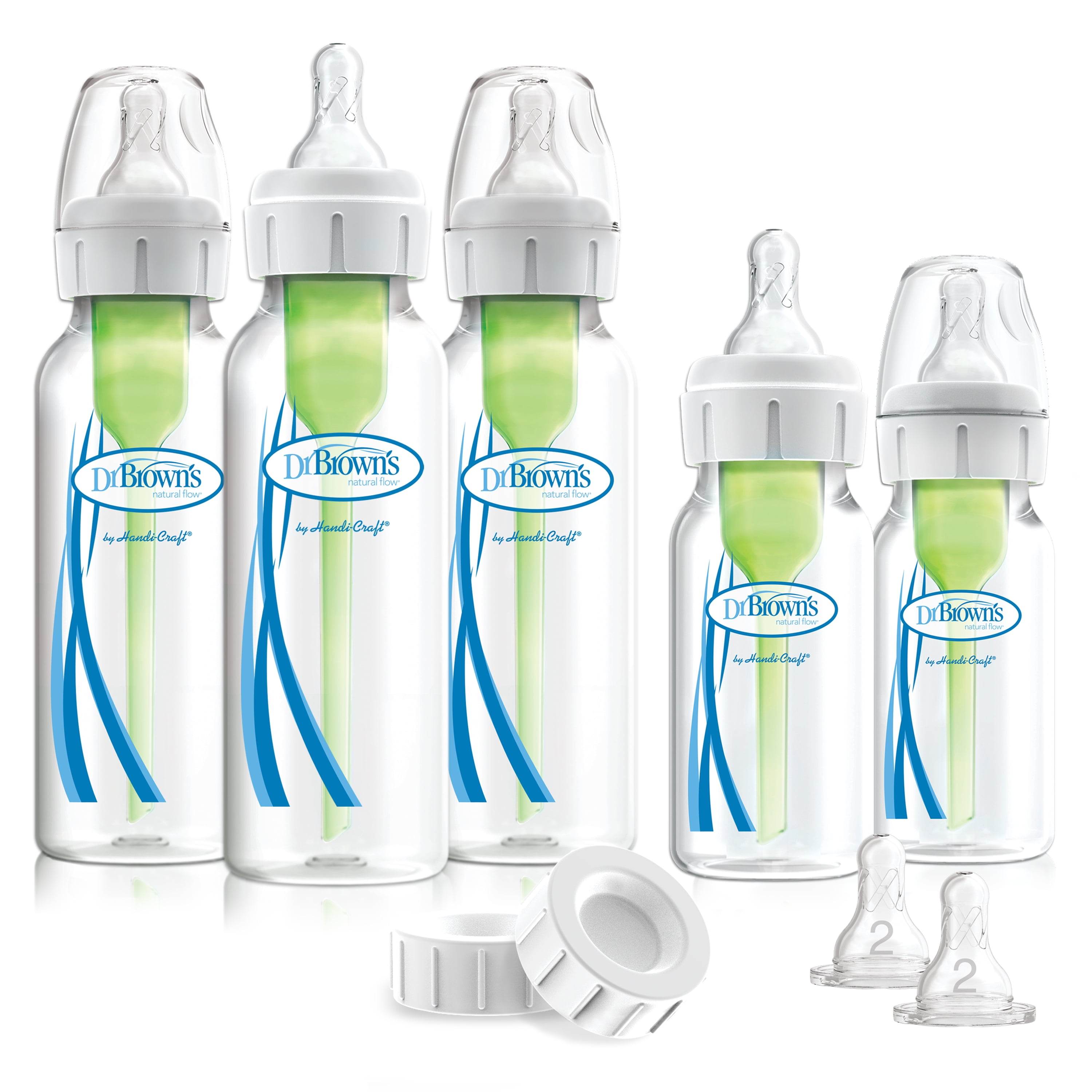
Dr. Brown's Natural Flow Anti-Colic Baby Bottles, 8 oz (6 Pack)
Effective at reducing colic and gas with a unique vent system, perfect for formula and breastfed babies alike.

Philips Avent Premium Formula Dispenser
A must-have for on-the-go formula preparation, ensuring precise portions and minimizing waste.
🧠 What to Look for Before You Buy
Navigating the costs of breastfeeding vs formula feeding isn’t as simple as comparing bottle prices or pump models. Many parents underestimate hidden expenses like storage supplies, cleaning equipment, and time away from work. A common misconception is that breastfeeding is always free, but the reality includes investments in pumps, nursing bras, supplements, and more.
Initial Equipment and Supplies
For breastfeeding, a quality breast pump can be one of the biggest upfront costs—not all pumps are created equal. Hospital-grade pumps like the Spectra S1 Plus offer efficiency and comfort but cost more upfront. Cheaper pumps may save money initially but often require more time and may be less effective, which can lead to frustration and even early weaning.
Formula feeding involves buying bottles, sterilizers, and formula dispensers. Choosing bottles designed to reduce colic (such as Dr. Brown’s Natural Flow) can mean fewer doctor visits and less fussiness, indirectly saving money. However, these specialized bottles tend to cost more than generic options.
Ongoing Consumables and Formula Costs
Formula itself is a significant ongoing expense. Depending on brand and type (powder, concentrated liquid, or ready-to-use), monthly costs can range from $70 to over $150. Breastfeeding moms may need to budget for lactation supplements, nipple creams, and occasional formula supplementation in some cases.
Time Investment and Opportunity Costs
Breastfeeding requires a substantial time commitment, especially when pumping. Time spent pumping or nursing can impact work and personal life, which is an indirect cost often overlooked. Formula feeding can be more flexible but involves regular bottle preparation and cleaning.
Storage and Waste Management
Breast milk storage bags, freezer space, and formula powder storage add to the cost. Formula also produces more packaging waste, which some parents factor into their decision for environmental or budget reasons.
Health and Safety Considerations
Investing in quality feeding equipment that meets safety standards (BPA-free bottles, FDA-approved pumps) is critical. Cheaper alternatives might save money upfront but could pose health risks or lead to replacement costs.
If you’re also weighing other nursery essentials, our Best Baby Monitor Without Subscription (No Monthly Fees – 2026) guide offers great picks to complement a well-rounded baby gear setup.
🟦 Spectra S1 Plus Electric Breast Pump — Best Overall
Spectra’s S1 Plus is widely regarded as a top-tier hospital-grade electric breast pump. It combines powerful suction with adjustable settings and quiet operation, making it a favorite among pumping moms. This model won our top overall spot for its balance of portability, performance, and durability.
Who it's for
Ideal for moms who plan to pump regularly, whether returning to work or exclusively pumping. Also great for those who want a comfortable, efficient pump that doesn’t sacrifice suction power.
Real-world performance
The Spectra S1 Plus is surprisingly quiet for a hospital-grade pump, allowing use without disturbing sleeping babies or partners. Its closed system design reduces contamination risk. We found the adjustable cycle and suction modes helpful for customizing comfort. The rechargeable battery adds convenience for on-the-go pumping. One downside is the slightly larger size compared to compact electric pumps, but the performance tradeoff is worth it.
Value assessment
At around $170, it’s pricier than basic pumps but delivers professional-grade features that can improve milk output and reduce pumping time. Cheaper pumps often lack suction consistency, which can prolong pumping sessions and increase frustration. For moms who pump frequently, the investment pays off in saved time and better milk supply.
Verdict: The Spectra S1 Plus is the best overall breast pump for parents prioritizing efficiency, comfort, and reliability.
If you want to explore bottle options that work well with breast milk and can reduce nipple confusion, check out our Best Baby Bottles for Breastfed Babies (2025) – Reduce Nipple Confusion & Fussiness guide.
🟩 Dr. Brown's Natural Flow Anti-Colic Baby Bottles — Best Budget Option
Dr. Brown’s bottles stand out in the budget category by providing a unique anti-colic vent system that most generic bottles don’t offer. They deliver real value by helping reduce gas and fussiness, which can save parents time and stress.
Who it's for
Great for parents who want reliable, health-conscious bottles without paying premium prices. Also suitable for formula feeders and breastfed babies transitioning to bottles.
Real-world performance
Parents report noticeable decreases in colic symptoms, and the vent system helps preserve essential nutrients in breast milk. While the bottles require more parts to clean compared to simpler bottles, many find the tradeoff worthwhile. The plastic is BPA-free and durable. Some users note the bottle parts can be fiddly, but the overall reduction in feeding problems compensates.
Value assessment
Priced around $28 for a 6-pack, these bottles are affordable yet effective. They outperform many cheaper no-name brands that lack venting, potentially saving money on medical bills or lost sleep. For parents on a budget, these are a smart, health-focused choice.
Verdict: Dr. Brown’s bottles offer the best anti-colic value without breaking the bank.
🟨 Philips Avent Premium Formula Dispenser — Best Long-Term Investment
The Philips Avent Formula Dispenser is a simple but indispensable tool for parents who formula feed regularly. It helps portion formula powder accurately and keeps it dry and fresh, reducing waste and preparation time.
Who it's for
Parents who want to simplify formula prep, especially when on the go or juggling multiple children, will find this dispenser a time and money saver.
Real-world performance
This dispenser holds three separate pre-measured servings, making night feeds or outings hassle-free. It’s easy to clean and fits in most diaper bags. Compared to measuring scoop-by-scoop, it reduces formula waste and mess. Although it’s a small accessory, it prevents over- or under-pouring that can lead to digestive issues or increased costs.
Value assessment
At around $18, it’s a modest investment that pays off in convenience and portion control. Over months, the saved formula portions can add up to significant savings. Compared to cheaper generic dispensers, Philips Avent’s quality and design ensure durability and ease of use.
For more gear that improves your day-to-day baby care, consider our Best Baby Carrier for Newborn to Toddler (Comfortable for Long Wear 2025) guide.
Verdict: A small but smart investment that supports formula feeding efficiency and reduces waste.
📊 Side-by-Side Comparison
Spectra S1 Plus Electric Breast Pump
- Hospital-grade suction
- Quiet operation
- Rechargeable battery
Dr. Brown's Natural Flow Anti-Colic Baby Bottles, 8 oz (6 Pack)
- Effective anti-colic design
- BPA-free
- Affordable 6-pack
Philips Avent Premium Formula Dispenser
- Portion control
- Compact and portable
- Easy to clean
*Prices are approximate and may change. Always check the live price on Amazon before buying.
✅ Our Recommendation
For most parents weighing the costs and convenience of breastfeeding vs formula feeding, investing in a high-quality breast pump like the Spectra S1 Plus offers the best balance of efficiency and long-term value. If you're on a tighter budget but want to reduce feeding issues, Dr. Brown’s bottles provide excellent anti-colic benefits without a premium price. For formula feeders looking to streamline prep and minimize waste, the Philips Avent Formula Dispenser is a smart, affordable addition.
- Best overall: Spectra S1 Plus Electric Breast Pump — professional quality for regular pumping
- Best budget pick: Dr. Brown's Natural Flow Bottles — affordable, effective anti-colic design
- Best long-term value: Philips Avent Formula Dispenser — saves formula and time over months
❓ Frequently Asked Questions
How much does breastfeeding really cost compared to formula feeding?
Breastfeeding’s direct costs include pumps, storage bags, nursing bras, and lactation supplements, often totaling $200–$500 upfront and ongoing. Formula feeding typically costs $70–$150 per month for formula alone, plus bottles and sterilizers. Factoring in time and convenience, breastfeeding may save money long-term but requires a significant time investment.
Are there hidden costs with formula feeding I should be aware of?
Yes. Beyond formula powder, parents should budget for bottles, sterilizing equipment, formula dispensers, and potential medical costs from feeding issues like colic or reflux which can be mitigated with proper bottle choice. Waste from packaging and formula spoilage is another hidden expense.
Is it safe to use secondhand breast pumps or bottles to save money?
Secondhand pumps are generally not recommended due to hygiene and contamination risks; the FDA advises against sharing personal breast pumps. Bottles can sometimes be purchased secondhand if in excellent condition and BPA-free, but new bottles are safer to avoid bacteria buildup.
When should I consider supplementing breastfeeding with formula from a cost perspective?
If milk supply is low or baby isn’t gaining weight adequately, supplementing formula can prevent costly doctor visits and medical interventions. Investing early in a quality pump and consultation with a lactation expert can reduce the need for formula, but supplementation is sometimes necessary and a practical choice.
Does investing in premium feeding gear really save money over time?
Often yes. High-quality pumps and bottles reduce feeding time, improve milk output or digestion, and minimize waste. While upfront costs are higher, they can prevent expenses related to health issues, wasted formula, or early weaning, making them cost-effective in the long run.