

What Baby Bottles Actually Stop Colic and Gas? Here’s the Truth
Most anti-colic bottles claim to work miracles but don’t address the root cause: air intake during feeding. The one thing that really matters is how well a bottle’s venting system prevents your baby from swallowing air.
This guide cuts through marketing fluff and shows you which bottles are actually worth your time and money based on real use, so you can stop guessing and start calming your baby’s tummy.
🔝 Top Picks at a Glance

Dr. Brown's Original Anti-Colic Baby Bottle, 8 oz
Proven vent system reduces colic and spit-up; best for parents wanting clinical-grade relief.
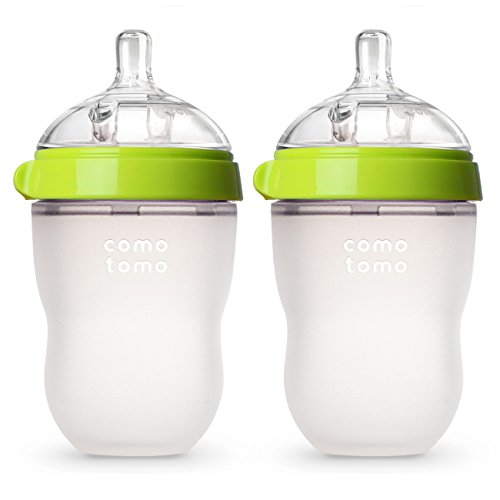
Comotomo Natural Feel Baby Bottle, 8 oz
Soft silicone bottle mimics breastfeeding flow; great for fussy eaters and breastfed babies.

MAM Anti-Colic Baby Bottle with Vent, 7 oz
Self-sterilizing bottle with unique vent design; ideal for parents wanting convenience and anti-colic features.
🧠 What to Look for Before You Buy
Anti-colic bottles aren’t just about fancy vent systems or cute designs. The reality is more nuanced—some vents work better with certain feeding styles, and others add complexity without real benefits. Many parents buy the most hyped bottle only to find their baby still gassy and uncomfortable.
Venting System Efficiency
A bottle’s venting system is the heart of anti-colic performance. It needs to release air without letting air bubbles mix into the milk. Dr. Brown's uses an internal vent tube that creates a vacuum-free feeding environment, preventing air ingestion effectively. In contrast, some venting systems just shift the air pockets around, which is less effective. Look for clinical backing or proven user feedback on actual colic reduction.
Nipple Design and Flow Rate
Anti-colic bottles often pair venting with specialized nipples to mimic natural feeding flow. Silicone nipples like those on the Comotomo offer softness close to breast tissue, which helps breastfed babies avoid nipple confusion. But a slower flow nipple might frustrate older babies or those with a strong suck reflex. Choosing a bottle with multiple nipple flow options is smart—just know that changing nipples can affect venting performance.
Ease of Cleaning and Sterilization
Bottles with complex vent systems can be a nightmare to clean, which defeats the point if you skip cleaning parts or miss residue. MAM bottles include a self-sterilizing feature using microwave steam bags, which is a game-changer for busy parents. However, self-sterilizing bottles might cost more upfront. Test the bottle’s assembly and disassembly yourself before committing.
Material Safety and Durability
Glass bottles are easy to clean and don’t retain odors but risk breaking. Plastic bottles weigh less but check for BPA-free certifications and durability. Silicone bottles offer softness but can be heavier and more expensive. Your choice may also depend on your feeding environment—if you travel often, a lightweight, shatterproof bottle is worth the premium.
If you’re trying to decide between bottles for breastfed babies specifically, our Best Baby Bottles for Breastfed Babies (2025) guide breaks down the key differences.
🟦 Dr. Brown's Original Anti-Colic Baby Bottle — Best Overall
Dr. Brown’s has been the gold standard for decades because their vent system actually works to reduce colic symptoms, spit-up, and gas. It’s the go-to for parents who want clinically backed relief and don’t mind the extra parts to clean.
Who it's for
Parents who want a no-nonsense solution to colic and are okay with assembling and cleaning a more complex bottle system.
Real-world performance
In daily use, the vent system reduces air bubbles effectively, which keeps babies calmer during and after feeds. The bottle is glass or plastic, letting you pick based on preference. The vent parts require thorough cleaning, but they’re dishwasher safe. Some parents note the bottle is a bit bulky compared to simpler designs. Still, it beats dealing with a gassy, cranky baby.
Value assessment
Priced moderately, it delivers on its promise better than cheaper bottles without vents. If you find the vent system a hassle, the Comotomo is a decent alternative but less clinically proven. Watch for discounts on multi-packs.
Verdict: The best anti-colic bottle if you want proven relief and don’t mind a bit of extra maintenance.
For tech-savvy parents also monitoring baby’s sleep and comfort, check out our picks for Best High-Tech Baby Monitors with App Integration (2026) – Expert Picks for Smarter, Safer Infant Monitoring.
🟩 Comotomo Natural Feel Baby Bottle — Best Budget Option
Comotomo nails the soft silicone feel that mimics breastfeeding, reducing nipple confusion and making feeding smoother for breastfed babies. It’s a solid budget pick for parents who want gentle feeding without the complexity of vents.
Who it's for
Parents looking for a simple, soft bottle that’s easy to clean and mimics breastfeeding but don’t want to fuss with vent assemblies.
Real-world performance
The wide neck and silicone body make it easy to clean and hold. The nipple design helps babies transition without fuss. It doesn’t have a traditional vent system, so it’s not as effective for severe colic cases but reduces air intake fairly well due to the nipple shape. Some parents find the bottle a bit heavy and the silicone attracts dust.
Value assessment
It’s pricier than basic bottles but offers great value for breastfed babies and mild colic. If your baby has serious gas issues, a vented bottle like Dr. Brown’s might be a better bet.
Verdict: Best bang for your buck if you want a soft, breast-like bottle without vent system fuss.
🟨 MAM Anti-Colic Baby Bottle with Vent — Best Long-Term Investment
MAM’s self-sterilizing bottle and unique vent system make it a convenient choice that grows with your baby. The microwave sterilizing feature saves time and hassle, ideal for parents who want anti-colic benefits and easy maintenance.
Who it's for
Parents who value convenience and want a bottle that’s easy to clean and sterilize without sacrificing anti-colic function.
Real-world performance
The vent reduces air intake well, though not quite to Dr. Brown’s level. The self-sterilizing feature is a standout—pop the bottle in the microwave for 3 minutes, and you’re set. This saves time compared to boiling or separate sterilizers. The nipples come in different flow rates, so you can customize as baby grows. Compared to Comotomo, it’s easier to clean but less soft.
Value assessment
A bit more upfront cost but saves money on sterilizing equipment over time. The convenience alone justifies the premium for many. For parents also juggling multiple gadgets, pairing this with a Best Baby Monitor Without Subscription (No Monthly Fees – 2026) keeps tech simple and stress low.
Verdict: Worth the investment for fuss-free cleaning and solid anti-colic performance.
📊 Side-by-Side Comparison
Dr. Brown's Original Anti-Colic Baby Bottle
- Clinically proven vent system
- Available in glass or plastic
- Reduces colic and spit-up effectively
Comotomo Natural Feel Baby Bottle
- Soft silicone mimics breastfeeding
- Easy to clean wide neck
- Reduces nipple confusion
MAM Anti-Colic Baby Bottle with Vent
- Self-sterilizing microwave feature
- Good vent system for colic
- Multiple nipple flow rates
*Prices are approximate and may change. Always check the live price on Amazon before buying.
✅ Our Recommendation
For most parents battling colic, Dr. Brown's Original Anti-Colic Baby Bottle is the go-to for real relief backed by decades of use. If you want something simpler and more like breastfeeding, Comotomo is your pick. For those who want convenience without sacrificing venting, MAM’s self-sterilizing bottle is worth the premium.
- Best overall: Dr. Brown's Original Anti-Colic Baby Bottle — proven vent system that actually reduces gas.
- Best budget pick: Comotomo Natural Feel Baby Bottle — soft, breast-like feel without vent system complexity.
- Best long-term value: MAM Anti-Colic Baby Bottle with Vent — easy cleaning and sterilizing with solid anti-colic features.
❓ Frequently Asked Questions
Do anti-colic baby bottles really reduce colic?
Yes, but only if they effectively prevent the baby from swallowing air during feeding. Bottles like Dr. Brown’s with internal vent tubes are clinically proven to reduce colic symptoms by minimizing gas and spit-up. Bottles without a proper venting system may not make a significant difference.
Can I use anti-colic bottles for breastfed babies?
Absolutely. Some bottles like Comotomo are designed to mimic the breastfeeding experience and reduce nipple confusion, while still helping reduce air intake. Choosing a bottle with a slow to medium flow nipple can help maintain your baby’s natural feeding rhythm.
Are there safety concerns with vent systems in bottles?
Most vent systems on reputable brands meet FDA safety standards and are BPA-free. It's crucial to clean all parts thoroughly to avoid mold or bacteria buildup. Check for dishwasher-safe components and inspect parts regularly for damage.
When should I switch from an anti-colic bottle to a regular one?
Many parents start with anti-colic bottles from birth and switch once their baby outgrows colic symptoms, usually around 3 to 4 months. If your baby is still gassy or fussy, continuing with an anti-colic bottle can help. Some bottles offer convertible vent systems that can be removed as your baby grows.
Do self-sterilizing bottles really save time?
Yes. Bottles like the MAM anti-colic model use microwave steam sterilization that takes around 3 minutes, eliminating the need for separate sterilizers or boiling. This convenience often outweighs the slightly higher price for busy parents.