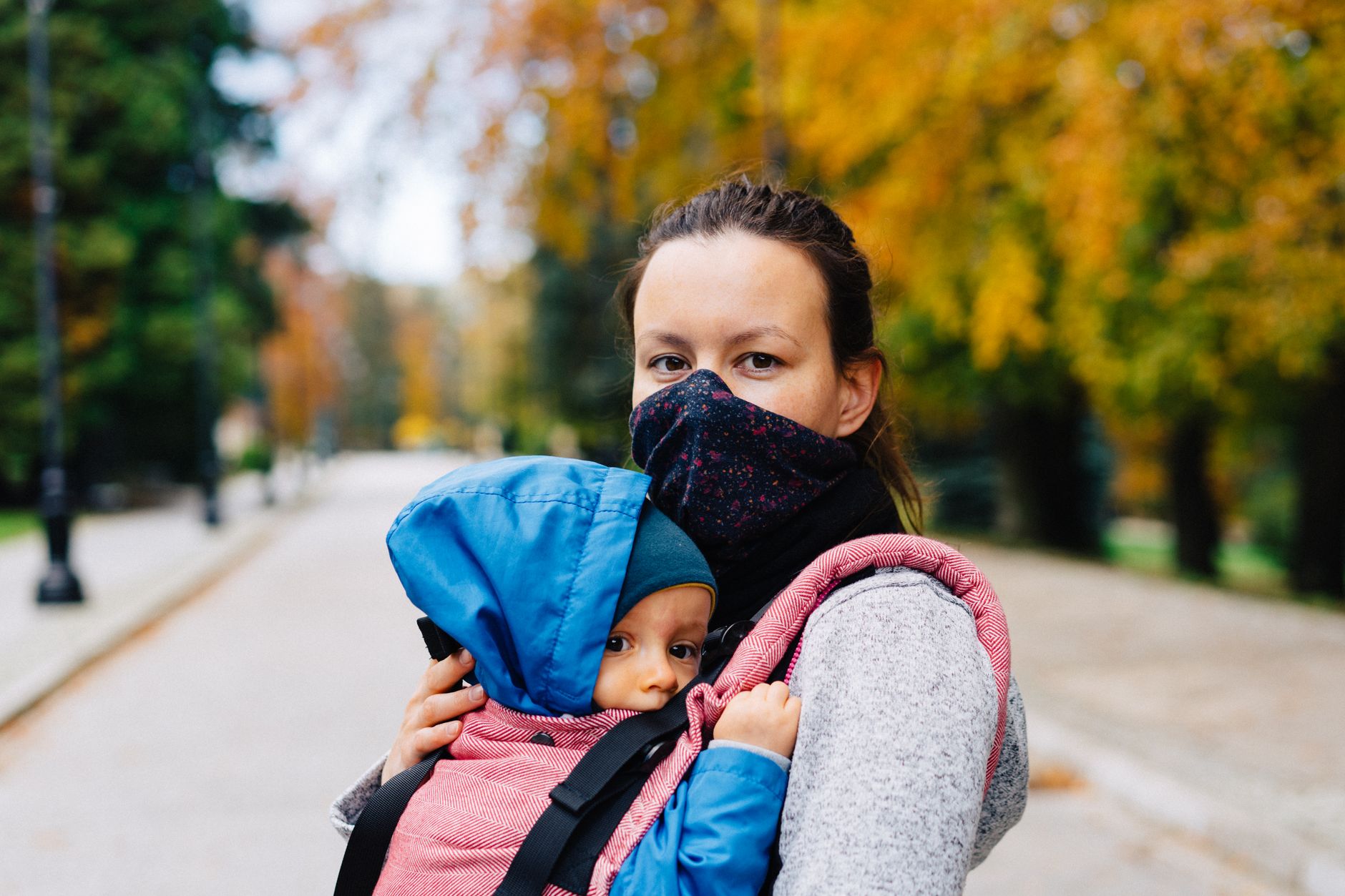
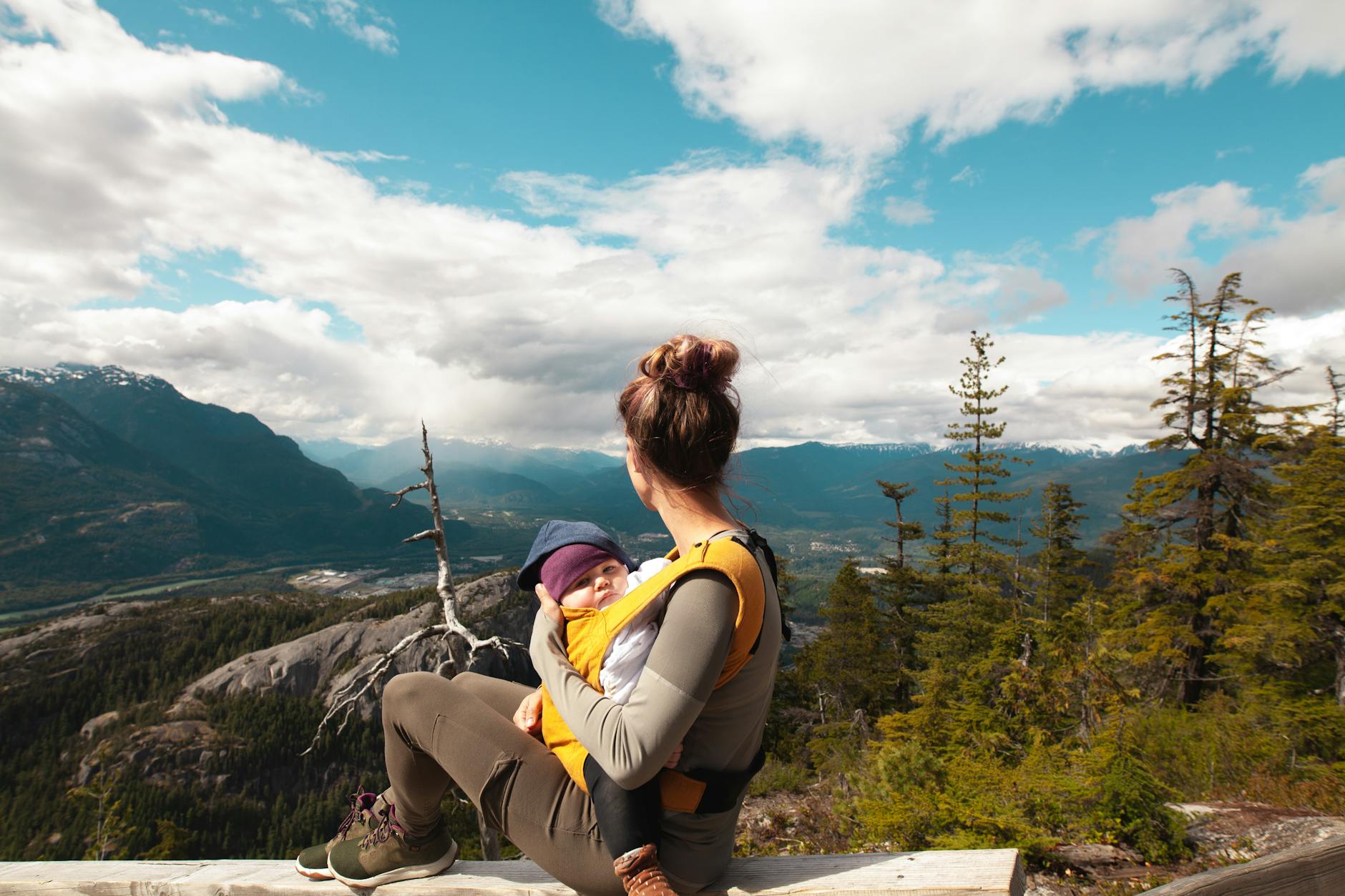
What’s the best baby carrier for long hikes that won’t wreck your back or your mood?
Most baby carriers look fine on the surface but fall apart once you hit actual trails. The real deal for hiking is about back support, ventilation, and durability — not just cute designs or fancy pockets. This guide cuts through the fluff and shows you which carriers actually survive long hikes without turning into a pain for you or your kid.
🔝 Top Picks at a Glance

Ergobaby Omni 360 All-Position Baby Carrier
Stellar back support and versatile carry positions make this the go-to for serious hikers who want comfort and longevity.

Infantino Flip 4-in-1 Convertible Carrier
Affordable and surprisingly sturdy, this carrier covers the essentials for parents hiking on a budget.

UPPAbaby G-LITE Baby Carrier
Lightweight, durable, and built to grow with your child, this carrier is a smart investment for frequent trailblazers.
🧠 What to Look for Before You Buy
Choosing a baby carrier for long hikes isn’t about grabbing the prettiest or cheapest option. It’s about gear that holds up when you’re logging miles, carrying weight, and dealing with sweat and weather. Many parents get stuck with carriers that cause back pain or leave baby overheated. Here’s what actually matters.
Ergonomics and Back Support
Long hikes mean hours of carrying your kid’s weight. A carrier that doesn’t distribute that load properly will wreck your back fast. Look for wide, padded shoulder straps and a supportive waist belt that transfers weight to your hips. Something like the Ergobaby Omni 360—certified ergonomic by the International Hip Dysplasia Institute—spreads the load and reduces strain. Avoid carriers without lumbar support or thin straps; they’ll dig in and cause pain before you’ve gone a mile.
Breathability and Weather Resistance
You’re outdoors and probably sweating. Carriers with mesh panels or breathable fabric keep both you and baby cooler. Waterproof or water-resistant materials are a bonus if you’re hiking in unpredictable weather. Some waterproof carriers sacrifice breathability, so if you prioritize cool comfort, look for hybrids that balance both. If you’re wondering about staying dry and hands-free, check out our Best Waterproof Baby Carriers for Hiking (2026): Stay Dry and Hands-Free guide.
Versatility and Carry Positions
You’ll want multiple carry options to switch things up on the trail — front, back, and hip carries reduce fatigue and make it easier to adjust as your baby grows. Some carriers are newborn-friendly with inserts, others start at 4+ months. Test how easy it is to switch positions solo — some carriers require a partner or a mirror to get it right.
Durability and Ease of Cleaning
Trail dust, mud, and sweat are brutal on gear. Look for carriers made from tough, quick-drying fabrics that can handle machine washing or at least spot cleaning. Spending more upfront on a carrier that lasts through seasons is often worth it. But if you’re new to hiking with baby and not ready to commit, budget carriers like the Infantino Flip deliver solid durability without the premium price tag.
If you’re also considering how to monitor baby safely while out and about, see our picks for Affordable Video Baby Monitors with Two Cameras (2026): Clear Views Without the Price Tag.
🟦 Ergobaby Omni 360 All-Position Baby Carrier — Best Overall
Ergobaby’s Omni 360 is a classic that just works. It’s engineered for comfort, with enough padding and support to survive tough hikes while keeping your baby snug in multiple carry positions. The brand’s reputation for quality and ergonomic design shines through here, making it the top pick for parents serious about trail time.
Who it's for
Parents logging serious trail miles who want a carrier that fits newborns through toddlers without back pain or overheating.
Real-world performance
The Omni 360’s lumbar support and broad waistband do wonders for all-day comfort. Mesh panels add breathability without sacrificing sturdiness. Switching from front to back carry is straightforward once you get the hang of it, and baby seems to love the snug, ergonomic seat. The fabric is durable and easy to clean, though the carrier isn’t the lightest option out there. Compared to the UPPAbaby G-LITE, it’s heavier but offers far superior support on long hikes.
Value assessment
Pricier than budget models but worth every penny if you’re hiking regularly. The Omni 360 holds its value well and is backed by Ergobaby’s solid warranty. If you want to save a bit, watch for seasonal deals or check out Ergobaby’s other ergonomic carriers.
Verdict: The Ergobaby Omni 360 is the go-to for serious hikers who need proven comfort, support, and versatility.
For a different type of baby gear, don’t miss our review of the Best Baby Monitor with Lullabies (2026): Soothe and Watch Without the Hassle — because sometimes you need both hands free and peace of mind.
🟩 Infantino Flip 4-in-1 Convertible Carrier — Best Budget Option
The Infantino Flip packs a lot into a very reasonable price. It’s not fancy, but it gets the job done with reasonable support and four carry positions. For parents who want a reliable carrier without blowing the budget, it’s a solid pick.
Who it's for
Parents new to hiking with baby or those on a tight budget who want a functional, versatile carrier without breaking the bank.
Real-world performance
This carrier isn’t going to win awards for high-end fabrics or ultra-thick padding. The straps are narrower and the waist support less substantial than premium models, so expect some trade-offs on comfort during extended hikes. But for short to medium trails, it performs well and fits babies from newborn to toddler age with the included infant insert. It’s also simple to put on and adjust solo, which is a plus.
Value assessment
You’re getting a lot of versatility for under $60. While it won’t feel as plush or breathable as pricier carriers, it’s perfectly acceptable for less intense or occasional hiking. You’re not settling here — just being smart about what you really need.
Verdict: The Infantino Flip is the best budget-friendly carrier that doesn’t sacrifice essential features for price.
🟨 UPPAbaby G-LITE Baby Carrier — Best Long-Term Investment
UPPAbaby’s G-LITE carrier is built for longevity and performance. It’s lightweight and streamlined, but still offers excellent support and durability. If you plan to hike often and want a carrier that grows with your child, this is a smart buy.
Who it's for
Active parents who hike frequently and want a carrier that balances comfort, weight, and style over years.
Real-world performance
The G-LITE shines on longer hikes thanks to its breathable mesh panels and ergonomic design. It’s noticeably lighter than the Ergobaby Omni 360, making it less tiring on your shoulders and back. Switching carry positions is smooth, and it fits babies from 7 to 33 pounds without inserts. Compared to the Infantino Flip, it’s much more durable and comfortable but comes at a price.
Value assessment
It’s a step up in cost, but the G-LITE’s combination of lightweight design and solid support means it will likely outlast cheaper carriers and provide better comfort for longer. That saves money and hassle in the long run. For more on ergonomic options that keep your back happy, check out our Ergonomic Baby Carriers for Back Support (2026): Comfort That Lasts All Day.
Verdict: The UPPAbaby G-LITE is a smart long-term investment for regular hikers prioritizing lightweight comfort and durability.
📊 Side-by-Side Comparison
Ergobaby Omni 360 All-Position Baby Carrier
- Excellent lumbar and back support
- Versatile carry positions
- Breathable mesh panels
Infantino Flip 4-in-1 Convertible Carrier
- Affordable versatility
- Easy to use
- Supports newborns with insert
UPPAbaby G-LITE Baby Carrier
- Lightweight design
- Breathable and durable
- Fits babies up to 33 lbs
*Prices are approximate and may change. Always check the live price on Amazon before buying.
✅ Our Recommendation
The Ergobaby Omni 360 hits the sweet spot for most parents who want proven comfort and durability on serious hikes. If you’re just starting out or watching your budget, the Infantino Flip won’t let you down on shorter trails or lighter use. For frequent hikers who want a lightweight, durable carrier that grows with baby and saves your back, the UPPAbaby G-LITE is worth the investment.
- Best overall: Ergobaby Omni 360 All-Position Baby Carrier — unmatched support and versatility for all-day hikes
- Best budget pick: Infantino Flip 4-in-1 Convertible Carrier — affordable, functional, and beginner-friendly
- Best long-term value: UPPAbaby G-LITE Baby Carrier — lightweight, durable, and built to last
❓ Frequently Asked Questions
What age and weight ranges do these carriers support for hiking?
Most hiking carriers support newborns with inserts or start around 7-8 pounds without them. For example, the Ergobaby Omni 360 fits babies from newborn to toddler (7–45 lbs) using no extra insert. The UPPAbaby G-LITE starts at 7 pounds and goes up to 33 pounds. Always check manufacturer specs and ensure your baby has good head and neck control before back carries.
Can I use these carriers for long hikes in hot weather?
Yes, but breathability varies. Carriers with mesh panels like the Ergobaby Omni 360 and UPPAbaby G-LITE offer better airflow, helping reduce sweat and overheating. The Infantino Flip is less breathable but fine for moderate temps or shorter hikes. Always dress baby accordingly and take breaks to cool off.
Are baby carriers safer than strollers for hiking trails?
Carriers generally offer better maneuverability on narrow or rugged trails where strollers struggle. They keep baby close and secure, reducing risk on uneven terrain. However, choose carriers that meet ergonomic and safety standards, like those certified by the International Hip Dysplasia Institute, and always follow usage guidelines.
When should I switch from front carry to back carry on hikes?
Back carries are typically more comfortable for parents and allow for longer hikes once baby has good head and neck control, usually around 6 months. Front carries are better for newborns and shorter outings. Practice transitions at home before hitting the trail.
How do I clean and maintain these carriers after hiking?
Most carriers are machine washable or allow for easy spot cleaning. Remove detachable parts and follow care instructions closely to maintain fabric and structural integrity. Quick drying fabrics help if you hike in wet or muddy conditions.