Affordable Video Baby Monitors with Two Cameras: Which One Actually Works?
Most parents think buying a dual-camera baby monitor means either blowing your budget or settling for cheap junk. The truth? You can get solid video quality and reliable multi-room coverage without spending a fortune — as long as you know what to prioritize.
This guide cuts through the noise to show you the best affordable video baby monitors with two cameras in 2026 that actually deliver.
🔝 Top Picks at a Glance
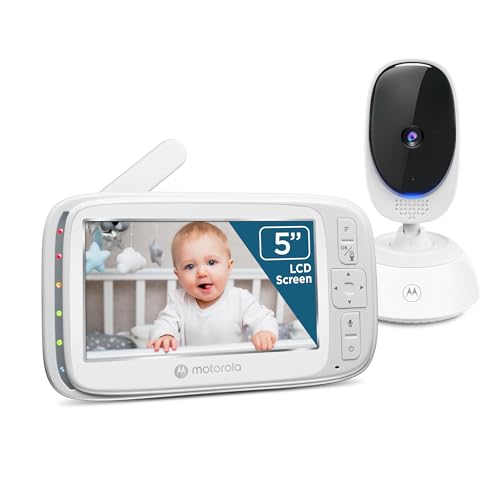
Motorola Comfort 75 Dual Camera Baby Monitor
Dependable video quality and two cameras with split-screen make this perfect for parents juggling two rooms.

VTech DM221 Audio Baby Monitor with Two Cameras
Affordable price with solid audio and basic video; great for parents on a budget who still want two viewpoints.
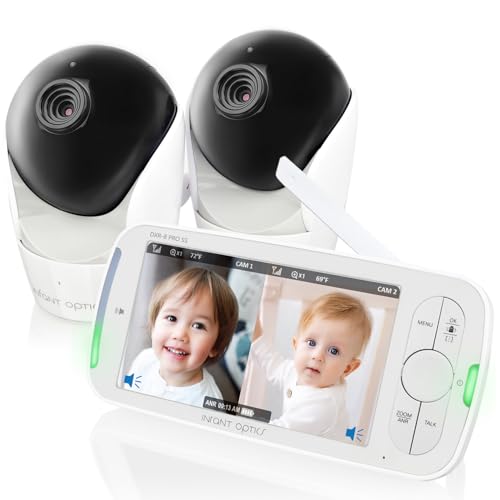
Infant Optics DXR-8 Pro with Dual Cameras
Higher price but unmatched durability and image quality; ideal for parents planning long-term use.
🧠 What to Look for Before You Buy
Dual-camera baby monitors aren’t just about sticking two cameras in the nursery and calling it a day. Some parents blindly pick the cheapest with “two cameras” in the title, only to get fuzzy video, laggy feeds, or unreliable connectivity. Others pay a premium for smart features they never use. Here’s what actually matters.
Video Quality and Connectivity
Good video quality means clear enough to spot subtle movements or changes in your baby’s breathing. Some budget models skimp here, resulting in grainy, lagging feeds that defeat the purpose. Also, check if the monitor uses dedicated frequencies or Wi-Fi. Wi-Fi gives more flexibility but risks drops and privacy issues; non-Wi-Fi models usually have stronger signals but less remote access. For example, the Motorola Comfort 75 uses FHSS technology for stable connection without Wi-Fi, which many parents prefer for security and reliability.
Camera Controls and Features
Pan, tilt, zoom (PTZ) features on cameras make a big difference when monitoring two rooms or twin nurseries. If your cameras are fixed, you’ll have blind spots or have to physically adjust them. Some monitors offer split-screen views so you can watch both cameras simultaneously — a game-changer for multitasking parents. Just keep in mind, models with full PTZ tend to cost more, so decide if that’s a must-have or a nice-to-have.
Range and Battery Life
If your baby’s room is far from where you usually hang out, range matters. Some monitors advertise 1000+ feet range, but real-world performance depends on walls, floors, and interference. Battery life on handheld parent units also varies. A monitor with a weak battery means constantly charging or being tethered to the wall — inconvenient for middle-of-the-night check-ins. Always test or look for models with at least 8 hours of battery life on the parent unit.
Price vs. Long-Term Value
Spending more upfront doesn’t always mean better value. Some budget monitors cover the basics well enough for the first year or two. Others, like the Infant Optics DXR-8 Pro, offer modular lenses and sturdy design that can grow with your family or resell well. Consider how long you plan to use the monitor and if you need features like app integration or breathing monitoring (covered in our Best Baby Monitor with Two Cameras (2026) — Split Screen & Twin Nurseries).
If you want to avoid subscription fees for cloud storage or app features, also check out our Best Baby Monitor Without Subscription (No Monthly Fees – 2026) guide.
🟦 Motorola Comfort 75 Dual Camera Baby Monitor — Best Overall
Motorola’s Comfort 75 is the no-nonsense winner for parents who want solid video quality, easy setup, and reliable connectivity without Wi-Fi headaches. The brand has a solid reputation for dependable monitors, and this model’s dual-camera setup with split-screen puts it ahead.
Who it's for
Parents juggling two rooms or twins who want clear, real-time video with minimal fuss and no monthly fees.
Real-world performance
The Comfort 75 delivers crisp 720p video during the day and surprisingly good night vision. The FHSS wireless tech means no Wi-Fi required, which boosts reliability and privacy. You get pan, tilt, and zoom on each camera controlled from the parent unit — no app needed. The split-screen lets you watch both cameras at once, a lifesaver for twins or older siblings. The parent unit’s battery lasts about 10 hours on a charge, enough for overnight monitoring with some charging during the day. Setup is straightforward, and the included wall mounts are a nice touch. One minor gripe: the speaker on the parent unit isn’t very loud, so it’s best paired with a baby monitor app or white noise machine.
Value assessment
Priced around $150, it’s a solid middle ground — not the cheapest, but you get features many monitors twice the price can’t match without a subscription. If you want a cheaper but less feature-rich alternative, check out the VTech DM221 below.
Verdict: The Motorola Comfort 75 balances price, performance, and features better than any other affordable dual-camera monitor.
🟩 VTech DM221 Audio Baby Monitor with Two Cameras — Best Budget Option
VTech keeps it simple with this mostly audio-focused monitor that adds two cameras for visual backup. It’s not fancy, but it’s reliable and priced to please.
Who it's for
Budget-conscious parents who want two camera angles without splurging on video quality or advanced features.
Real-world performance
This model’s video is lower resolution and the screen small, but it’s decent enough to check on baby’s position or see if the crib mobile is still running. The audio is surprisingly clear for the price, which matters most for many parents. Cameras have fixed positions — no pan or tilt — and you can only view one camera at a time, so no split-screen here. Battery life is solid, and the unit pairs quickly. It’s a no-frills option that trades video quality and features for affordability.
Value assessment
If your main priority is budget and basic monitoring with two viewpoints, this is a solid pick. Don’t expect crisp video or app integration. It’s a good entry-level choice that covers the basics well.
Verdict: The VTech DM221 gives you two cameras for less, but sacrifices video quality and camera controls.
🟨 Infant Optics DXR-8 Pro with Dual Cameras — Best Long-Term Investment
Infant Optics carved out a loyal following for rugged, customizable monitors. The DXR-8 Pro ups the ante with dual cameras and improved optics — and the price reflects it.
Who it's for
Parents who want the best video quality, camera flexibility, and expect to use the monitor for multiple children or resale.
Real-world performance
The DXR-8 Pro’s video is sharp, with interchangeable lenses letting you switch between zoom and wide-angle views. Both cameras have PTZ controls, and the split-screen mode is crisp and lag-free. The parent unit is solidly built with an intuitive interface. Unlike Wi-Fi-based monitors, it uses a secure FHSS connection, reducing interference and privacy risks. Compared to the Motorola Comfort 75, it feels more premium and gives better image customization, but costs about $50 more. Battery life is on par with the other models.
Value assessment
It’s pricier upfront but designed for durability and long-term use. If you value resale or want a monitor that adapts as your needs grow (extra lenses, better night vision), it’s worth the investment. For those curious about app-connected and smart features, see our Best High-Tech Baby Monitors with App Integration (2026) – Expert Picks for Smarter, Safer Infant Monitoring guide.
Verdict: The Infant Optics DXR-8 Pro is the premium pick with features and build quality that justify its price over time.
📊 Side-by-Side Comparison
Motorola Comfort 75 Dual Camera Baby Monitor
- 720p HD video
- Split-screen dual camera view
- No Wi-Fi needed, secure FHSS
VTech DM221 Audio Baby Monitor with Two Cameras
- Affordable dual-camera setup
- Clear audio monitoring
- Simple setup and reliable
Infant Optics DXR-8 Pro with Dual Cameras
- Interchangeable lenses
- High-quality split-screen video
- Durable build and long-term value
*Prices are approximate and may change. Always check the live price on Amazon before buying.
✅ Our Recommendation
Most parents juggling two rooms or twins will get the best balance of price and features with the Motorola Comfort 75 Dual Camera Baby Monitor. It delivers solid video, reliable connection, and split-screen viewing without needing Wi-Fi or a subscription.
If you’re on a tight budget and can live without crisp video or camera controls, the VTech DM221 is a surprisingly solid option.
For those who want a durable, high-quality setup that adapts over time, the Infant Optics DXR-8 Pro is worth the premium.
- Best overall: Motorola Comfort 75 Dual Camera Baby Monitor — reliable video and dual views without Wi-Fi hassles
- Best budget pick: VTech DM221 Audio Baby Monitor with Two Cameras — basic but solid, great for tight budgets
- Best long-term value: Infant Optics DXR-8 Pro with Dual Cameras — premium quality and modular design that lasts
If you want to compare these with the very best split-screen monitors that might be pricier but offer extra bells and whistles, check out our Best Video Baby Monitors with Split Screen (2026): Clear Views for Multi-Room Parenting.
❓ Frequently Asked Questions
What’s the difference between Wi-Fi and non-Wi-Fi dual camera baby monitors?
Wi-Fi monitors let you stream video to your phone or tablet anywhere but can be less secure and more prone to connection drops. Non-Wi-Fi models often use FHSS or DECT frequencies, offering a more stable connection and better privacy but limit you to the range of the parent unit. If privacy and reliability are your top concerns, a non-Wi-Fi monitor like the Motorola Comfort 75 or Infant Optics DXR-8 Pro is the safer bet.
Can you use two cameras simultaneously on all dual camera baby monitors?
Not always. Some budget monitors force you to switch between cameras instead of showing both at once. Split-screen viewing is common on mid- to high-end models and is much more useful for monitoring twins or multiple rooms at the same time.
Are dual camera baby monitors safe to use around newborns?
Yes, as long as you follow standard safety guidelines — keep cameras out of reach, secure cords, and avoid placing cameras inside the crib. Also, check for monitors compliant with FCC regulations to avoid interference with other devices.
When is the best time to buy a dual camera baby monitor?
Before your baby starts sleeping in a separate room or when you have twins or multiple kids in different rooms. Buying early lets you get comfortable with the setup and test signal range in your home.
Do dual camera baby monitors hold resale value?
Premium models like Infant Optics tend to hold value better due to build quality and modular features. Budget models depreciate faster but can be great for first-time use. For a broader look at investing in baby monitors, see our Best Baby Monitor Without Subscription (No Monthly Fees – 2026) guide.