Best Hypoallergenic Baby Feeding Bottles: Which Ones Actually Help Sensitive Babies?
Most parents think all baby bottles are basically the same until their little one breaks out in rash or gas fits. The truth: the material and venting system can make or break feeding comfort for babies with sensitive skin or digestive issues.
This guide cuts through the noise to show you hypoallergenic bottles that genuinely reduce irritation and fussiness — no fluff.
🔝 Top Picks at a Glance

Dr. Brown's Natural Flow Options+ Wide-Neck Glass Baby Bottles, 8 oz
Industry leader for reducing colic with patented vent system, made of hypoallergenic glass. Best for parents who want chemical-free feeding with proven colic relief.
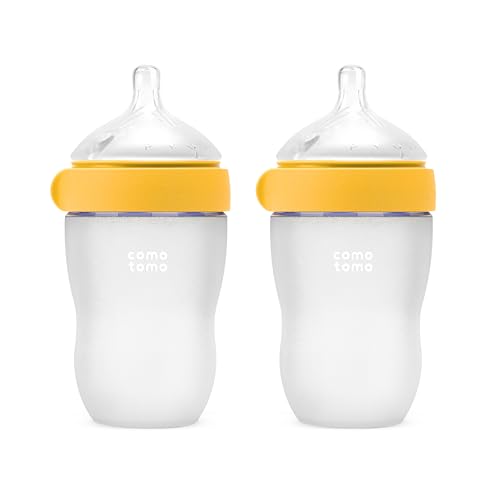
Comotomo Baby Bottle, 8 oz, Silicone, Anti-Colic
Soft, medical-grade silicone bottle that mimics breastfeeding feel, hypoallergenic and BPA-free. Ideal for babies with sensitive skin and parents seeking easy cleaning.
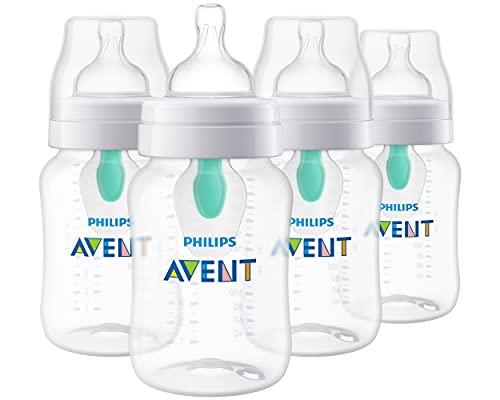
Munchkin LATCH Anti-Colic Baby Bottle, 9 oz
Durable BPA-free polypropylene with soft silicone nipple, designed to reduce colic and nipple confusion. Great for long-term use and easy compatibility with breastfed babies.
🧠 What to Look for Before You Buy
Picking a hypoallergenic baby bottle isn’t just about ticking boxes on BPA-free or “natural.” It’s about how materials, design, and venting interact with your baby’s unique sensitivities. Ignore these and you’ll end up with the same gas, fuss, or rash you tried to avoid.
Material Matters: Glass vs. Silicone vs. Plastic
Glass bottles like Dr. Brown’s are naturally hypoallergenic and chemical-free, perfect for babies with skin sensitivities or allergies to plastics. Silicone bottles, like Comotomo, offer a soft, flexible feel closer to breastfeeding but can be pricier and need careful cleaning to avoid mold. Plastic is lightweight and budget-friendly but watch out for BPA and phthalates; always verify certifications and opt for medical-grade plastics.
Venting System: The Hidden Calm Factor
Babies with sensitive tummies need bottles that minimize air swallowing. Dr. Brown’s patented vent system is the gold standard here, showing clear results in reducing colic and spit-up. Simpler venting systems in Munchkin LATCH work well but might not be as effective for extreme cases. If colic is your main concern, prioritize venting over other features.
Nipple Design and Flow
Nipple shape and flow control can make or break feeding, especially for breastfed babies to avoid nipple confusion. Comotomo’s wide, soft nipple mimics the breast, easing transitions. Munchkin LATCH’s nipple is designed for slow flow but might need switching out as baby grows. Test nipples in-store or start with slow flow; a mismatch leads to frustration for both of you.
Cleaning and Durability
Hypoallergenic bottles often require more care. Glass is easy to sterilize and doesn’t retain odors but can break. Silicone is dishwasher safe but can trap milk residue if not scrubbed well. Plastic is lightweight but may scratch and harbor bacteria. Consider how much time you’ll spend cleaning and how often you want to replace bottles.
If you’re also juggling tech for monitoring baby’s comfort post-feeding, check out our Best Baby Monitor Without Subscription (No Monthly Fees – 2026) guide for simple, safe options.
🟦 Dr. Brown's Natural Flow Options+ Wide-Neck Glass Baby Bottles — Best Overall
Dr. Brown’s is synonymous with colic relief and hypoallergenic feeding. Their patented internal vent system stands out because it actively reduces air bubbles, which means less gas and spit-up. The glass body appeals to parents wanting to avoid plastic chemicals without sacrificing durability or ease of cleaning.
Who it's for
Parents who want proven colic reduction with chemical-free materials and don’t mind the extra care glass bottles require.
Real-world performance
In daily use, Dr. Brown’s bottles hold up well and the vent system works exactly as promised—babies tend to feed calmer and with less fuss. The wide-neck design makes filling and cleaning easier than earlier models. Downsides? Glass is breakable and heavier, so not ideal for on-the-go. Also, the parts count is higher, which means more to wash.
Value assessment
Pricier than plastic options but worth it if your baby struggles with colic or skin irritation. The investment pays off in less baby distress and fewer interrupted nights. Look for multi-packs for better deals.
Verdict: Best bet for sensitive babies with colic who need the safest, most effective feeding bottle.
For parents who want a high-tech break after feeding fuss, pairing this with a reliable monitor like the Best Baby Monitor with Two Cameras (2026) — Split Screen & Twin Nurseries can bring peace of mind.
🟩 Comotomo Baby Bottle, 8 oz, Silicone, Anti-Colic — Best Budget Option
Comotomo stands out by blending hypoallergenic silicone with a breast-like feel at a price point that’s reasonable for most families. Unlike cheap plastic bottles, it’s BPA-free, phthalate-free, and easy to clean thanks to its wide neck.
Who it's for
Parents who want a soft, hypoallergenic bottle for sensitive skin that’s simpler to clean and gentler on baby’s mouth, without blowing the budget.
Real-world performance
Babies generally take to Comotomo well because of its natural nipple shape. The silicone body is squeezable, which helps babies control flow. It’s dishwasher safe but can trap milk residue if not cleaned thoroughly. The anti-colic vents reduce air swallowing but aren’t as robust as Dr. Brown’s vent system for extreme gas issues.
Value assessment
While more expensive than basic plastic bottles, Comotomo delivers premium features that justify the cost. It’s a solid middle ground between budget plastic and pricier glass. If you want less breakage risk and a more natural latch, this is your pick.
Verdict: Great all-rounder hypoallergenic bottle that balances price, safety, and baby-friendly design.
🟨 Munchkin LATCH Anti-Colic Baby Bottle, 9 oz — Best Long-Term Investment
Munchkin LATCH offers durability and versatility at a good price. It’s BPA-free polypropylene with a soft silicone nipple designed to mimic breastfeeding and reduce colic. The nipple and vent system are easily replaceable, extending the bottle’s lifespan as baby grows.
Who it's for
Parents planning to use bottles long-term, especially if combining breastfeeding and bottle feeding, who want easy nipple swaps and solid anti-colic features.
Real-world performance
Munchkin LATCH performs well in reducing air intake and nipple confusion. It’s lighter and less fragile than glass, making it great for travel or daycare. Some parents find the vent less effective for severe colic compared to Dr. Brown’s. The bottle is dishwasher safe and relatively easy to clean.
Value assessment
Though not the cheapest, the ability to swap nipples and the durable design make it a smart investment for babies transitioning from breast to bottle or needing longer-term use. It’s a practical, adaptable choice.
For more on feeding gear that complements hypoallergenic bottles, check out our Best Adjustable High Chairs for Growing Babies (2026).
Verdict: Best option for parents who want a durable, adaptable hypoallergenic bottle that grows with baby.
📊 Side-by-Side Comparison
Dr. Brown's Natural Flow Options+ Wide-Neck Glass Baby Bottles
- Patented vent system reduces colic
- Chemical-free glass
- Wide neck for easy cleaning
Comotomo Baby Bottle, 8 oz, Silicone, Anti-Colic
- Soft, breast-like silicone
- Hypoallergenic and BPA-free
- Wide neck makes cleaning simple
Munchkin LATCH Anti-Colic Baby Bottle, 9 oz
- Replaceable nipples for growing baby
- Soft silicone nipple reduces nipple confusion
- Durable, lightweight plastic
*Prices are approximate and may change. Always check the live price on Amazon before buying.
✅ Our Recommendation
Most parents will get the best results with Dr. Brown's for colic relief and chemical-free feeding. If you want something softer and easier to clean but still hypoallergenic, Comotomo is a solid pick. For those who want a bottle that adapts to baby’s changing needs and lasts longer, Munchkin LATCH is the way to go.
- Best overall: Dr. Brown's Natural Flow Options+ — proven colic relief and hypoallergenic glass
- Best budget pick: Comotomo Baby Bottle — soft, safe, and easy to clean silicone
- Best long-term value: Munchkin LATCH — durable, adaptable, and gentle on baby
❓ Frequently Asked Questions
Are hypoallergenic baby bottles really necessary?
If your baby has sensitive skin, eczema, or frequent colic, hypoallergenic bottles can reduce irritation caused by materials like BPA or harsh plastics and minimize swallowed air with better venting. For many babies, switching to hypoallergenic bottles improves feeding comfort and reduces fussiness.
How do I know if a bottle is truly hypoallergenic?
Look for BPA-free, phthalate-free, and medical-grade materials like glass or silicone. Certifications from FDA or equivalent agencies help, but also check if the bottle has a vent system that reduces air intake, which decreases colic symptoms related to feeding.
Can these bottles be used for breastfed babies?
Yes, especially bottles with nipples designed to mimic the breast like Comotomo and Munchkin LATCH. These reduce nipple confusion and make the transition between breast and bottle smoother.
When should I switch nipple flow sizes?
Start with slow flow for newborns to avoid choking or overfeeding. As baby grows and feeds faster, usually around 3-4 months, switch to medium or fast flow nipples. Signs you need to switch include longer feeding times or baby getting frustrated.
How do I clean and sterilize these bottles safely?
Glass bottles can be sterilized by boiling or steam sterilizers. Silicone bottles like Comotomo are dishwasher safe but require careful scrubbing inside to avoid mold. Plastic bottles should be replaced if scratched and cleaned thoroughly. Always follow manufacturer cleaning instructions for best results.