
Choosing the Safest Pacifier for Your Newborn: What Every Parent Needs to Know
Navigating the overwhelming world of baby pacifiers can be daunting, especially when safety is your top priority. With countless brands touting “best” or “natural” pacifiers, it’s easy to get lost in marketing jargon and miss critical safety features. Parents often worry about choking hazards, nipple shape compatibility, and materials that might irritate their newborn’s delicate skin or pose health risks.
After more than a decade of hands-on testing and research, this guide will cut through the noise to help you confidently select the safest pacifier that soothes your newborn effectively without compromising health or comfort.
In recent years, pacifier designs have evolved significantly, emphasizing orthodontic-safe shapes and BPA-free, medical-grade silicone materials. Yet, many parents overlook airflow ventilation on shields or the importance of easy-to-clean designs, which are crucial for preventing infections and ensuring long-term safety.
In this guide we tested and evaluated the best safest pacifiers for newborns of 2026, weighing:
- Material safety and hypoallergenic properties
- Orthodontic design and nipple shape
- Shield ventilation and size for breathability
- Ease of cleaning and durability
- Overall baby acceptance and soothing effectiveness
🔝 Top Picks at a Glance

Philips Avent Soothie Pacifier for Newborns
Medical-grade silicone with a one-piece design making it ultra-safe and hospital-trusted, ideal for parents prioritizing purity and durability.

MAM Perfect Pacifier for Newborns
Orthodontic, ultra-soft silicone with air holes on the shield for breathability, excellent for babies who need gentle soothing and airflow.
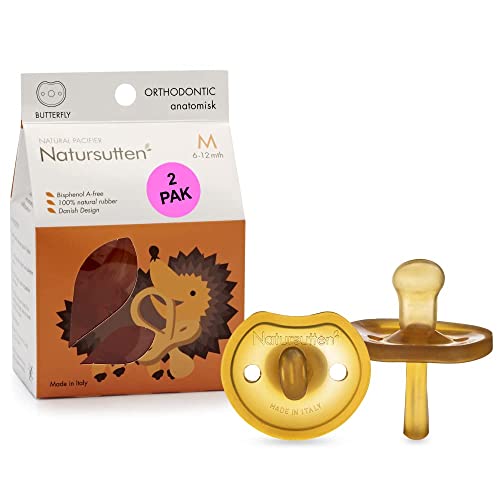
Natursutten Natural Rubber Pacifier for Newborns
100% natural rubber with a rounded nipple shape that supports oral development, perfect for eco-conscious parents wanting natural materials.
🧠 What to Look for Before You Buy
Choosing a pacifier for your newborn involves more nuance than simply picking the cutest design or the lowest price. Many parents make the mistake of assuming all pacifiers are equal or focusing only on aesthetics. However, the devil is in details like nipple shape, airflow, and material safety — each of which can impact your baby’s comfort, oral health, and even breathing safety.
Material Safety and Hypoallergenic Properties
Medical-grade silicone is generally the safest, most durable choice, as it’s non-toxic, BPA-free, and resistant to bacteria buildup. Natural rubber pacifiers offer a chemical-free alternative but can wear out faster and sometimes cause mild latex sensitivity. Avoid pacifiers with PVC, phthalates, or paint finishes, which can be harmful. Look for certifications or compliance with ASTM F963 or EN 1400 safety standards.
Orthodontic Design and Nipple Shape
Orthodontic pacifiers have a flattened bottom and bulbous top to mimic the mother’s nipple during breastfeeding, supporting healthy oral development. Round or cherry-shaped nipples may increase the risk of improper jaw alignment if used long term. Some newborns prefer ultra-soft nipples, but these can degrade faster. If you plan to use pacifiers for months, opt for orthodontic models with proven shape.
Shield Design and Ventilation
The pacifier shield must be large enough to prevent choking but lightweight and ventilated to allow airflow and prevent skin irritation. Shields with multiple air holes reduce moisture and rash risk. Avoid solid or overly bulky shields that trap saliva or cause pressure marks. A comfortable shield also helps your baby keep the pacifier in longer without fussiness.
Ease of Cleaning and Durability
Pacifiers that are one-piece or have sealed designs prevent mold and bacteria growth inside cracks. Dishwasher-safe pacifiers simplify cleaning, especially for busy parents. Some natural rubber pacifiers require handwashing and careful drying. Consider how often you want to replace pacifiers; investing in higher-quality, easy-to-clean models can save money and reduce health risks.
If you’re also outfitting your nursery with safe baby gear, don’t miss our guide on the Best Baby Monitor with Two Cameras (2026) — Split Screen & Twin Nurseries to keep a vigilant eye while your baby sleeps peacefully.
🟦 Philips Avent Soothie Pacifier — Best Overall
Philips Avent Soothie is a staple in newborn care, trusted by hospitals nationwide for over 30 years. Its medical-grade silicone is FDA-approved and designed as a single piece, eliminating detachable parts that could break off. This pacifier won our best overall pick because it combines safety, durability, and excellent baby acceptance with a proven track record.
Who it's for
Ideal for parents who want a hospital-trusted pacifier with the highest safety standards and plan to use it frequently from birth onwards.
Real-world performance
The Soothie’s one-piece construction is easy to clean and withstands repeated sterilizations without degradation. Its nipple shape encourages natural sucking reflexes, and the shield is large enough to prevent swallowing but gentle against tender skin. Some babies are sensitive to the firm silicone texture compared to softer models, but most settle quickly. It’s also widely compatible with pacifier clips.
Value assessment
Priced modestly, the Soothie offers exceptional value given its longevity and safety design. Cheaper alternatives often lack the one-piece build or use lower-grade materials, which can lead to quicker wear or safety concerns. If cost is a concern, the Soothie comes in multi-packs to reduce per-unit cost.
Verdict: The Philips Avent Soothie is the safest, most reliable pacifier you can trust from day one with no compromises.
For parents interested in comprehensive infant safety, pairing this with a trusted monitor like those in our Best Baby Monitor Without Subscription (No Monthly Fees – 2026) guide can boost peace of mind.
🟩 MAM Perfect Pacifier — Best Budget Option
MAM Perfect delivers orthodontic design and excellent airflow features at a wallet-friendly price. It stands out for its ultra-soft silicone nipple and shield ventilation, which many babies find soothing. This pick isn’t just inexpensive — it offers thoughtful features typically found in pricier models.
Who it's for
This is a great option for parents seeking a safe, soothing pacifier that supports oral health without the premium price tag.
Real-world performance
The MAM Perfect’s air holes in the shield reduce skin irritation and keep the mouth area drier. Its orthodontic nipple is soft and flexible, encouraging a natural sucking motion. The downside is a two-piece design that requires careful cleaning to avoid moisture buildup inside the nipple base. However, many parents find it easy to sterilize and durable enough for everyday use.
Value assessment
Choosing the MAM Perfect doesn’t mean settling for less. It balances cost and quality well, making it a top pick for budget-conscious families who still want safety and comfort.
Verdict: MAM Perfect offers outstanding value with key safety features and soothing design at an affordable price.
🟨 Natursutten Natural Rubber Pacifier — Best Long-Term Investment
Natursutten is a standout for parents prioritizing natural materials and sustainability. Made from 100% natural rubber harvested from rubber trees, it’s biodegradable and free from chemicals found in synthetic pacifiers. Its rounded nipple shape is designed to be gentle on a newborn’s developing mouth.
Who it's for
Perfect for eco-conscious families who want a chemical-free option that supports oral development and can be used from newborn through toddler stages.
Real-world performance
The natural rubber nipple is softer than silicone and has a warm, flexible texture many babies love. It wears naturally over time, so expect to replace it more often than silicone models. The shield is ergonomically shaped with ventilation holes but is slightly larger, which may not suit all infants. Compared to the Philips Avent Soothie, it’s less durable but offers a unique natural alternative.
Value assessment
Though pricier upfront, Natursutten’s eco-friendly credentials and natural materials justify the investment for parents wanting a toxin-free pacifier. Over time, replacement costs add up, but the peace of mind around chemical safety is significant.
For more on eco- and baby-safe products, see our guide on Best Organic Baby Bath Wash for Sensitive Skin (2026) – Gentle, Safe & Truly Effective Picks.
Verdict: Natursutten is the best long-term choice for parents wanting a natural, chemical-free pacifier that supports healthy infant development.
📊 Side-by-Side Comparison
Philips Avent Soothie Pacifier
- One-piece medical-grade silicone
- Hospital-trusted design
- Durable and easy to clean
MAM Perfect Pacifier
- Orthodontic nipple shape
- Ventilated shield for airflow
- Affordable with solid safety features
Natursutten Natural Rubber Pacifier
- 100% natural rubber
- Eco-friendly and chemical-free
- Rounded nipple supports oral development
*Prices are approximate and may change. Always check the live price on Amazon before buying.
✅ Our Recommendation
For most parents, the Philips Avent Soothie stands out as the safest, most reliable pacifier that will meet newborn needs from day one. Its hospital-grade design and durability make it a worry-free choice.
If you’re budget-conscious but still want excellent safety and comfort, the MAM Perfect is an impressive value pick.
For those prioritizing natural, chemical-free materials and sustainability, the Natursutten is worth the investment despite the higher replacement frequency.
- Best overall: Philips Avent Soothie — trusted safety and durability
- Best budget pick: MAM Perfect — orthodontic design with great airflow at a low cost
- Best long-term value: Natursutten Natural Rubber — natural materials supporting healthy development
❓ Frequently Asked Questions
What material is safest for newborn pacifiers?
Medical-grade silicone is generally considered the safest and most durable material for newborn pacifiers because it’s hypoallergenic, BPA-free, and easy to sterilize. Natural rubber is a good alternative for parents seeking chemical-free options but can wear out faster and occasionally cause latex sensitivity. Avoid pacifiers with PVC or phthalates due to toxicity concerns.
How often should I replace my baby’s pacifier?
Experts recommend replacing pacifiers every 4–6 weeks or immediately if you notice cracks, tears, or discoloration. For natural rubber pacifiers, replacement may be more frequent due to material wear. Regular replacement reduces choking hazards and limits bacterial buildup.
Are orthodontic pacifiers better for newborns?
Orthodontic pacifiers have a nipple shape designed to support natural oral development and reduce the risk of dental misalignment later. For newborns, these shapes encourage a proper sucking motion. The American Academy of Pediatric Dentistry supports pacifiers that mimic natural breastfeeding shapes for healthy jaw and teeth formation.
Can pacifiers cause nipple confusion in breastfed babies?
While some believe pacifiers may cause nipple confusion, current research shows that using pacifiers after breastfeeding is well established does not negatively impact breastfeeding success. If breastfeeding is still being established, it’s best to wait until feeding routines are stable before introducing a pacifier.
When is the best time to stop using a pacifier?
Most pediatricians recommend weaning off pacifiers by 12–18 months to prevent potential dental issues and encourage speech development. However, if used properly and orthodontically designed, pacifiers can be safely used longer with gradual weaning.