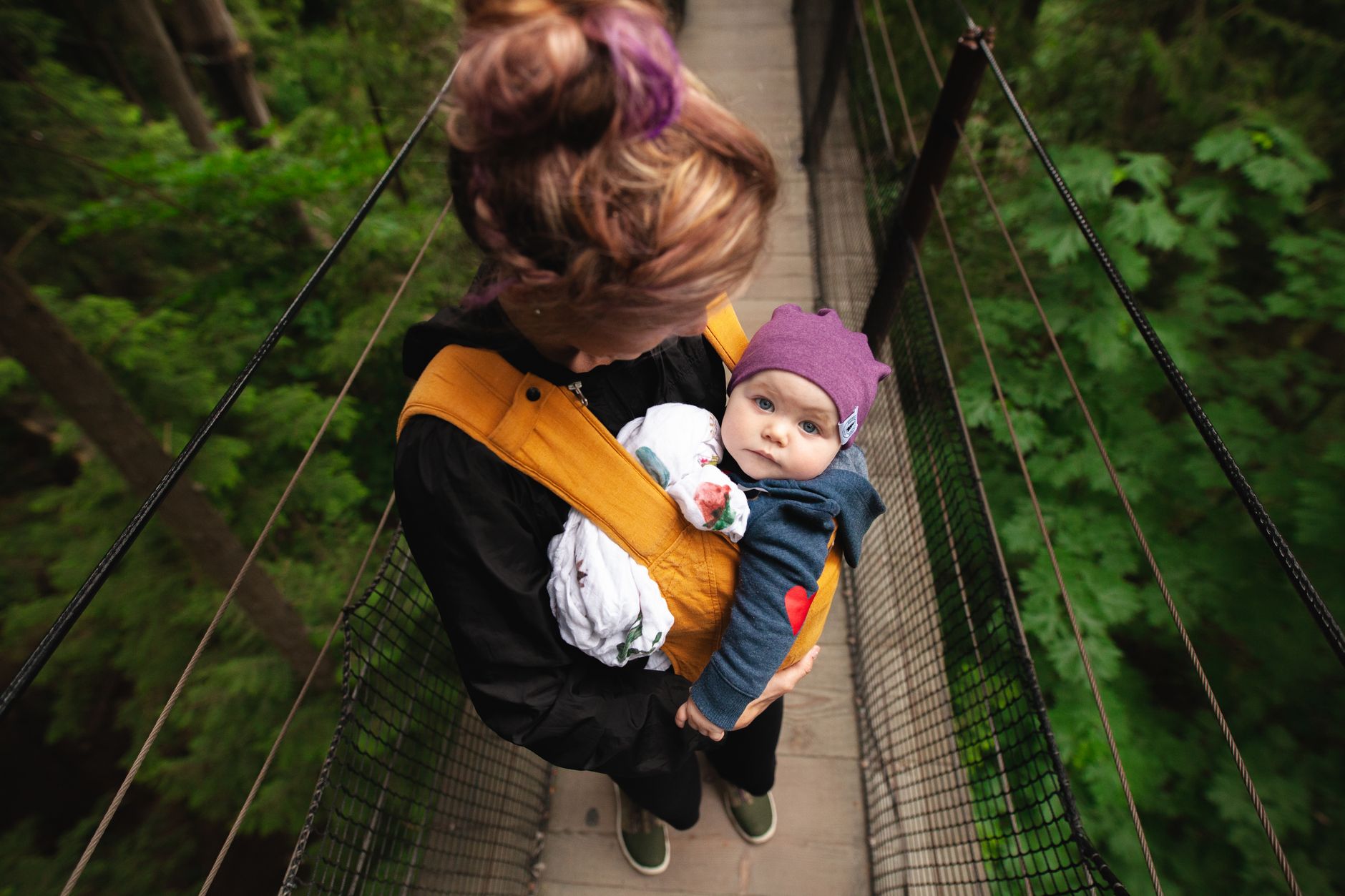
What’s the safest baby carrier for hiking trails that won’t wreck your back?
A lot of parents grab carriers designed for city strolls and hope for the best on rough trails. That’s a fast track to sore shoulders, an unhappy baby, or worse — unsafe situations. The right carrier for hiking isn’t about just looking rugged; it’s about solid support, secure fit, and durability that can handle rocks and roots.
This guide cuts the fluff and zeroes in on carriers built for the trail, breaking down what matters most so you can pick one that keeps your baby safe and your back sane.
🔝 Top Picks at a Glance

Ergobaby Omni 360 Cool Air Mesh Baby Carrier
Outstanding all-terrain support with breathable mesh and four ergonomic carry positions. Best for parents wanting a versatile, long-term hiking companion.

Infantino Flip 4-in-1 Convertible Carrier
Budget-friendly with solid support for short to medium hikes; convertible carry options but less padding than premium picks.

BabyBjörn Baby Carrier One Air
Premium mesh carrier engineered for long hikes with outstanding ventilation and ergonomic baby support.
🧠 What to Look for Before You Buy
Picking a baby carrier for hiking isn’t just about slapping on straps and hitting the trail. Many parents overlook how terrain, baby’s age, and your body type affect safety and comfort. Some carriers look tough but lack real support, which leads to back pain or worse, poor baby positioning that can be unsafe on uneven ground.
Ergonomic Support for Both You and Baby
A carrier that’s ergonomic for baby means proper hip and spine alignment — this isn’t a “nice to have,” it’s backed by the International Hip Dysplasia Institute’s guidelines. For parents, lumbar and shoulder support matter because hiking means hours on your feet. Carriers like the Ergobaby Omni 360 include padded waist belts and adjustable straps to distribute weight evenly. Avoid cheap carriers with thin straps that dig in or no waist support; they’ll wreck your back fast.
Breathability and Material Durability
Hiking trails get sweaty and muddy. Breathable mesh carriers keep your baby cool and reduce sweat buildup, which prevents rashes and overheating. Durable materials stand up to branches, dirt, and rain without tearing. Some carriers offer water-resistant fabrics, which can be a game-changer on unpredictable hikes. However, those usually add weight, so if you’re tackling steep trails, balance breathability with durability.
Carry Positions and Adjustability
Babies and toddlers have different needs. A good hiking carrier will offer multiple carry positions — front facing in, front facing out, back carry, and hip carry. This flexibility lets you adjust as your baby grows and as the trail demands. Look for easy adjustments without needing to take the carrier off. Practical test: at the store or home, try switching positions quickly. If it’s a hassle, it’s a no-go for the trail.
Weight, Packability, and Price
Heavy carriers tire you faster and add strain. Lightweight carriers that still deliver on support are worth the premium. That said, some budget options can work fine for short hikes or occasional use. If you hike regularly, investing in a quality carrier is better than replacing cheaper ones every season. If you want to double down on outdoorsy gear, pair your carrier with reliable baby monitors — for example, check out our picks for the Best Baby Monitor with Two Cameras (2026) — Split Screen & Twin Nurseries to keep an eye on your little one when you set up camp.
If you're also deciding between different ergonomic carriers, our guide on Ergonomic Baby Carriers for Hiking (2026): Comfort That Goes the Distance breaks down the key differences.
🟦 Ergobaby Omni 360 Cool Air Mesh Baby Carrier — Best Overall
Ergobaby’s Omni 360 Cool Air Mesh is the no-nonsense champion for hiking. The brand’s reputation for ergonomic design and durability holds up here with breathable mesh that doesn’t sacrifice support. It won the top spot because it balances comfort for baby and parent without making you compromise on safety or trail readiness.
Who it's for
Parents who want a carrier that grows with their child and can handle everything from city walks to rugged trails, especially in warmer weather.
Real-world performance
In daily use, the Omni 360 shines with its four carry positions, including back carry — a must for longer hikes. The padded waist belt and adjustable straps make it surprisingly comfortable, even loaded with a toddler. The mesh fabric breathes well, though it does show dirt easily, so expect to wash it occasionally. Compared to less expensive carriers, it feels sturdier and more thoughtfully designed. The only drawback is that it’s on the heavier side, but that’s the trade-off for durability and support.
Value assessment
At around $170, it’s not cheap. But you’re paying for longevity, comfort, and safety certifications. Cheaper alternatives tend to skimp on padding or breathable materials, which you’ll notice fast on a hike. Deals pop up seasonally, so keep an eye out, but this one is worth the investment if hiking is regular in your routine.
Verdict: The Ergobaby Omni 360 Cool Air Mesh is the best all-around baby carrier for hiking — hands-down.
🟩 Infantino Flip 4-in-1 Convertible Carrier — Best Budget Option
The Infantino Flip 4-in-1 is a surprisingly solid pick for parents on a budget who want a carrier that won’t fall apart on easy to moderate trails. It nails versatility with multiple carry positions and a comfortable fit for smaller babies and toddlers.
Who it's for
Parents who hike occasionally or on easier trails and want a reliable carrier without breaking the bank.
Real-world performance
It’s lighter and less padded than premium carriers, so expect some shoulder strain on longer hikes. The fabric isn’t as breathable, which can get sweaty, but it holds up well and the adjustable straps make for a decent fit. It’s not ideal for serious back carries or rough terrain, but for short jaunts, it’s more than functional. Plus, it’s easy to get on and off, which busy parents appreciate.
Value assessment
Priced under $50, it delivers solid performance for the cost. Yes, it sacrifices some comfort and durability, but if hiking is a weekend thing or you’re just starting out, it’s a smart, no-frills choice.
Verdict: The Infantino Flip 4-in-1 is the best budget baby carrier for hiking — no nonsense, just solid value.
🟨 BabyBjörn Baby Carrier One Air — Best Long-Term Investment
BabyBjörn’s Baby Carrier One Air is built like a tank with premium mesh for ventilation and a design that supports baby ergonomics and parent comfort over long treks. It’s pricey but engineered to last and grow with your child from newborn to toddler.
Who it's for
Parents who hike frequently, want top-tier ventilation, and are willing to invest in a carrier that offers longevity and resale value.
Real-world performance
The mesh fabric keeps baby cool on hot hikes better than most. The adjustable head and neck support is excellent for newborns. Compared to the Ergobaby Omni 360, it’s lighter but feels less padded on the waist belt, which affects comfort on very long hikes. Still, it’s incredibly durable and easy to clean. The straps are well designed for quick adjustments without removing the carrier.
Value assessment
It costs around $200, but since it transitions from infant to toddler without needing extras, it’s a solid investment. Over time, it can save money versus buying multiple carriers. For parents who appreciate smart design and plan to keep it for years, it’s worth the price.
For more on ergonomic choices, see our Ergonomic Baby Carriers for Hiking (2026): Comfort That Goes the Distance.
Verdict: The BabyBjörn One Air is the premium, long-term baby carrier for parents who want the best in comfort and durability.
📊 Side-by-Side Comparison
Ergobaby Omni 360 Cool Air Mesh Baby Carrier
- Four ergonomic carry positions
- Breathable mesh for warm weather
- Padded waist and shoulder support
Infantino Flip 4-in-1 Convertible Carrier
- Affordable price
- Multiple carry options
- Lightweight and easy to use
BabyBjörn Baby Carrier One Air
- Premium ventilation mesh
- Long-term use newborn to toddler
- Easy strap adjustments
*Prices are approximate and may change. Always check the live price on Amazon before buying.
✅ Our Recommendation
If you want one solid, safe, and comfortable baby carrier that can handle most hiking trails without fuss, go with the Ergobaby Omni 360 Cool Air Mesh. For those on a tight budget or new to hiking with baby, the Infantino Flip 4-in-1 offers surprising value. And if you plan to hit the trails regularly and want a long-term investment with top-tier ventilation, the BabyBjörn Baby Carrier One Air is worth the premium.
- Best overall: Ergobaby Omni 360 Cool Air Mesh — reliable, versatile, and trail-ready
- Best budget pick: Infantino Flip 4-in-1 Convertible Carrier — affordable and practical for light hiking
- Best long-term value: BabyBjörn Baby Carrier One Air — premium build for serious hikers
❓ Frequently Asked Questions
What age is safe for hiking with a baby in a carrier?
Most experts recommend waiting until your baby has good head and neck control, usually around 4 to 6 months old. Always ensure the carrier supports your baby’s hips and spine per ergonomic standards. For newborns, choose carriers with proper head support and consult your pediatrician before hitting rugged trails.
How do I know if a baby carrier is safe for uneven terrain?
Check for a secure fit with adjustable straps and a padded waist belt to stabilize your load. The carrier should keep baby snug without slumping and allow multiple carry positions. Look for carriers tested against safety certifications like ASTM or JPMA for peace of mind.
Can I use a baby carrier and a baby monitor together while hiking?
Yes. Using a reliable baby monitor like the ones in our Affordable Video Baby Monitors with Two Cameras (2026): Clear Views Without the Price Tag guide can help if you’re setting up camp or taking breaks apart from baby. It’s an extra layer of safety especially if you have twins or older siblings.
When should I choose a backpack-style carrier over a soft structured carrier for hiking?
Backpack-style carriers offer better weight distribution and storage, ideal for longer hikes or carrying toddlers. Soft structured carriers are better for shorter hikes or infants. If you’re planning serious trail time, consider our comparison in Comparison of Baby Carriers for Hiking (2026): Comfort and Safety on the Trail.
How long can I safely carry my baby on a hiking trail?
Limit continuous carrying to 2-3 hours max, taking breaks to check baby’s comfort and your back. Always watch for signs of overheating or discomfort. Gradually build up hiking duration and never push beyond your physical limits.