Safest Baby Carrier for Infants: What Actually Keeps Your Newborn Secure?
Most baby carriers claim safety, but many miss the mark on proper infant positioning and support—two things you can't afford to overlook. The real deal is finding a carrier that supports your baby's hips and spine exactly as doctors recommend, not just one that looks cute or is easy to use.
This guide cuts through marketing fluff and zeros in on carriers that prioritize infant safety and ergonomic design so you can carry your newborn without worry.
🔝 Top Picks at a Glance

Ergobaby Omni 360 All-in-One Baby Carrier
Offers four carry positions with adjustable support for newborns and toddlers, ideal for parents wanting a versatile, long-term solution.
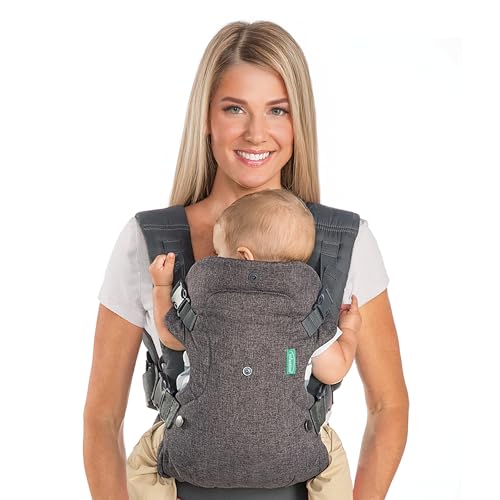
Infantino Flip 4-in-1 Convertible Carrier
Budget-friendly carrier that supports newborns with ergonomic positioning and multiple carry options, great for parents watching their wallet.

UPPAbaby Kanga Infant Carrier
Premium infant carrier designed for secure, ergonomic support with breathable fabric, perfect for parents prioritizing comfort and longevity.
🧠 What to Look for Before You Buy
Choosing a baby carrier for infants isn’t just about looks or brand hype. It’s about how the carrier supports your baby's developing hips and spine—the critical safety factors most parents don’t realize until it’s too late. A carrier that fails here can cause real issues.
Proper Hip-Healthy Positioning (M-Shape)
The safest carriers keep your baby's hips in the “M” position—knees higher than the bum and legs spread apart. This supports healthy hip socket development and prevents hip dysplasia. Carriers that let legs dangle straight down or don’t provide adequate thigh support should be avoided at all costs. For example, a harness-style carrier without a wide seat won't cut it. Look for certifications or references to the International Hip Dysplasia Institute’s approved carriers.
Adjustable Head and Neck Support
Newborns lack neck strength, so the carrier must have firm, adjustable head and neck support that can be customized as your infant grows. Some carriers skimp here for style or simplicity, which makes them unsafe during those early months. Trade-offs exist: rigid supports can be uncomfortable but offer better protection. If your baby falls asleep in the carrier often, this support becomes non-negotiable.
Ease of Proper Fit and Adjustment
A carrier that’s difficult to adjust means you’re more likely to use it incorrectly. Look for intuitive buckles, straps, and settings that allow you to snugly secure your baby without cutting off circulation or causing discomfort. As a practical test, you should be able to tighten and loosen the carrier while wearing it, without needing a degree in engineering. Some stores allow you to demo carriers with a doll — take advantage of that.
Breathability and Fabric Safety
Breathable, non-toxic fabrics matter because newborns can overheat quickly and have sensitive skin. Budget carriers often use cheaper materials that trap heat or cause irritation. Spending a little more on natural or certified fabrics can make a huge difference in comfort and safety during long wear. This is where some premium carriers justify their price.
If you’re also thinking about monitoring your baby’s wellbeing while out and about, check out our picks for Affordable Video Baby Monitors with Two Cameras (2026): Clear Views Without the Price Tag to keep an eye on your little one hands-free.
🟦 Ergobaby Omni 360 All-in-One Baby Carrier — Best Overall
Ergobaby has been the gold standard for ergonomic carriers for years, and the Omni 360 continues that legacy by combining safety, comfort, and versatility. This model supports infants from newborn (7 lbs) through toddlerhood (up to 45 lbs) without needing an insert—a rarity in this category.
Who it's for
Parents who want one carrier that grows with their child and value multiple carry positions—including front-inward, front-outward, hip, and back carry.
Real-world performance
The Omni 360 nails proper hip positioning with a wide, supportive seat that keeps babies in the recommended M-shape. The adjustable padded headrest offers solid neck support, which is crucial for newborns. The lumbar support and wide waistband make wearing it for extended periods manageable, even for parents with back issues. Compared to budget carriers like the Infantino Flip, it’s noticeably easier to adjust on the fly and more comfortable for both baby and parent. Downsides? It’s on the heavier side and pricier.
Value assessment
At around $170, it’s not cheap, but you’re paying for years of safe use and ergonomic design that most budget carriers can’t match. The durability and resale market for Ergobaby products also help offset the upfront cost. If you want a more affordable but still safe alternative, the Infantino Flip is worth a look.
Verdict: The Ergobaby Omni 360 is the safest, most versatile carrier you’ll find for newborns and beyond.
🟩 Infantino Flip 4-in-1 Convertible Carrier — Best Budget Option
This carrier gives you the safety basics without the price tag. It supports newborns ergonomically with a decent seat width and multiple carry positions, making it a solid starter carrier.
Who it's for
Parents who want a safe, functional carrier on a budget and don’t plan to use it for toddler years.
Real-world performance
The Flip supports hips well enough for newborns and allows front, back, and hip carries, which is impressive at this price point. That said, the head and neck support is a bit less adjustable and padded than premium models, so it feels less secure for very young infants. Straps can feel stiff at first and require some breaking in. Still, it’s surprisingly comfortable for the money and easy to use.
Value assessment
At under $50, it’s a steal for parents who want to try babywearing without dropping serious cash. It’s not a long-term carrier but hits all the safety checkboxes for early months. Don’t expect the plush comfort or lifespan of an Ergobaby, but it’s a dependable budget pick.
Verdict: The Infantino Flip offers safe, ergonomic babywearing on a budget without cutting every corner.
🟨 UPPAbaby Kanga Infant Carrier — Best Long-Term Investment
UPPAbaby is known for premium baby gear, and the Kanga stands out as a lightweight, breathable carrier that doesn’t compromise on safety or comfort. It’s designed specifically for infants but transitions smoothly to toddlers with adjustable sizing.
Who it's for
Parents prioritizing high-end fabric quality, breathability, and ergonomic support who plan to use a carrier long-term.
Real-world performance
The Kanga offers excellent support with a wide seat and firm neck/head support, plus adjustable straps that ensure a snug fit. The fabric is soft, breathable, and easy to clean, which is a big plus for hot climates or longer wear. Compared to the Ergobaby Omni 360, it’s lighter and more breathable but supports slightly lower weight range. It’s a great middle ground for parents wanting premium features without the bulk.
Value assessment
Its price sits close to the Ergobaby but offers different benefits. The Kanga’s resale value is strong, and the quality means it can last through multiple children if cared for. For more on versatile carriers, see our Best Baby Carrier for Newborn to Toddler (Comfortable for Long Wear 2025).
Verdict: The UPPAbaby Kanga is a premium choice for parents wanting comfort, safety, and breathability in one sleek package.
📊 Side-by-Side Comparison
Ergobaby Omni 360 All-in-One Baby Carrier
- Four carry positions
- No infant insert needed
- Strong lumbar support
Infantino Flip 4-in-1 Convertible Carrier
- Budget-friendly
- Multiple carry options
- Ergonomic hip support
UPPAbaby Kanga Infant Carrier
- Lightweight and breathable
- Firm head support
- Adjustable sizing
*Prices are approximate and may change. Always check the live price on Amazon before buying.
✅ Our Recommendation
For most parents, the Ergobaby Omni 360 is the safest, most versatile choice that grows with your infant and keeps them properly supported. If you’re starting out on a tight budget, the Infantino Flip covers all safety basics without breaking the bank. For those who want premium, breathable fabrics with long-term comfort, the UPPAbaby Kanga is a solid investment.
- Best overall: Ergobaby Omni 360 — unmatched versatility and ergonomic safety.
- Best budget pick: Infantino Flip — solid safety features at a wallet-friendly price.
- Best long-term value: UPPAbaby Kanga — premium comfort, durability, and infant support.
Also, if you’re thinking about how to monitor your baby when you’re not carrying them, check out our picks for the Best Baby Monitor with Two Cameras (2026) — Split Screen & Twin Nurseries.
❓ Frequently Asked Questions
What makes a baby carrier safe for infants?
Safety for infant carriers boils down to proper hip positioning (the M-shape), adequate head and neck support, and secure, adjustable fits that keep your baby snug without restricting breathing or circulation. Look for carriers approved by the International Hip Dysplasia Institute and those that allow you to carry your baby close and upright.
Can I use any baby carrier from birth?
No. Not all carriers support newborns safely. Many require an infant insert or have designs that only work once your baby has head control (around 4 months). Always check weight and age recommendations and ensure the carrier supports your baby's neck and hips properly from day one.
How do I know if my baby’s hips are positioned correctly in the carrier?
Your baby’s knees should be higher than the bottom, forming an “M” shape with legs spread wide, supported from knee to knee. You can check this by looking at how the fabric supports the thighs—if legs dangle straight down or the seat is narrow, the carrier isn’t safe for hip development.
When should I stop using an infant carrier and switch to a toddler carrier?
Most infant carriers are designed for babies up to about 25 pounds or until they can sit unsupported. Transition when your baby outgrows the recommended weight or if the carrier no longer supports proper positioning. Some carriers, like the Ergobaby Omni 360, handle this transition without inserts.
Do expensive carriers actually offer better safety?
Higher price doesn’t always guarantee safer, but premium carriers tend to have better materials, more ergonomic designs, and features like adjustable headrests and lumbar support that improve safety and comfort. Budget options can be safe but often trade off comfort or longevity.