
Top Baby Health Monitors for Newborns: Which One Actually Keeps Your Infant Safe?
Most baby health monitors promise peace of mind but end up with too many false alarms or confusing features that parents don’t need. The real deal is simple: reliable, accurate monitoring without overcomplicated tech or subscription traps.
This guide cuts through the noise and shows you the top baby health monitors for newborns that deliver solid safety tracking, plus a clear breakdown of what to look for.
Quick answer: The Owlet Smart Sock 4 stands out as the best baby health monitor for newborns thanks to its accurate pulse oximetry and user-friendly app. For parents watching the budget, the Angelcare AC517 is a solid, reliable pick that covers the essentials without breaking the bank.
🔝 Top Picks at a Glance
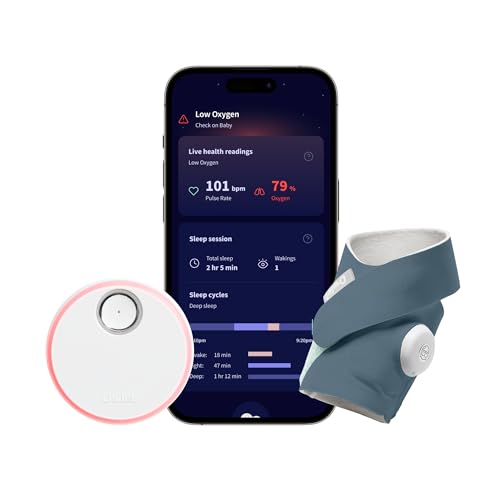
Owlet Smart Sock 4 Baby Monitor
Accurate heart rate and oxygen level tracking with a sleek app interface. Best for tech-savvy parents who want detailed insights.

Angelcare AC517 Baby Movement Monitor with Video
Reliable breathing and movement sensor with video monitoring included. Great for parents wanting non-WiFi simplicity and peace of mind.
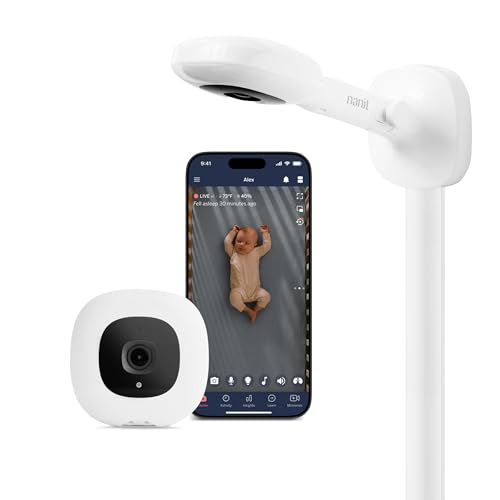
Nanit Pro Smart Baby Monitor and Wall Mount
High-end video monitoring with breathing motion tracking and sleep coaching. Ideal for parents investing in long-term nursery tech.
🧠 What to Look for Before You Buy
Picking a baby health monitor isn’t just about slapping a sensor on your kid and calling it a day. The tech varies wildly, and false alarms or missed alerts are not just annoying—they can be dangerous. It’s also tempting to chase bells and whistles that don’t add real value.
Accuracy of Vital Sign Monitoring
Pulse oximetry (oxygen saturation) and heart rate tracking are the gold standards for newborn monitors. Some monitors use wearables like socks or bands, others rely on under-mattress sensors. The accuracy can vary, especially if the device isn’t snug or is prone to interference. For example, the Owlet Smart Sock 4 uses pulse oximetry with hospital-grade sensors, while basic movement monitors can’t detect oxygen levels at all.
Look for FDA clearance or reputable third-party testing when possible. This isn’t just a nice-to-have—it’s about reliable alerts when your baby’s breathing or heart rate dips.
Sensor Type: Wearable vs. Non-Wearable
Wearable monitors (like socks or bands) track vitals directly but require your baby to keep the device on. Some newborns fuss or kick them off, which can cause false alarms or missed data. Non-wearable options like the Angelcare AC517 use a pressure-sensitive pad under the mattress to monitor movement and breathing, which is less intrusive but won’t provide heart rate or oxygen data.
If you want real-time health data beyond movement, wearables are the way to go. But if your baby hates wearables, a solid movement monitor is better than nothing.
Connectivity and Alerts
WiFi-connected monitors offer app access and remote viewing but can be prone to glitches, latency, or privacy concerns. Non-WiFi monitors tend to have more reliable direct audio/video feeds but lack app features. Some parents prefer no subscription fees or cloud storage, which is an ongoing cost with many smart monitors.
Ask yourself if you really need app integration or if a dedicated parent unit with clear alerts suffices. For a good breakdown of video and app features, check out our Comparison of Video Baby Monitors with App Features (2026).
Price vs. Practical Value
Top-tier monitors like Nanit Pro and Owlet Smart Sock 4 come with premium pricing but add features like sleep coaching or detailed health stats. Budget models cover breathing movement well but won’t track heart rate or oxygen.
If your priority is peace of mind and you can swing the cost, investing in a monitor with pulse oximetry and reliable alerts is worth it. But if you’re on a tight budget, a trusted movement monitor like Angelcare’s AC517 does the job without unnecessary extras.
If you’re also considering video monitors with multiple cameras, our guide on Affordable Video Baby Monitors with Two Cameras (2026): Clear Views Without the Price Tag breaks down solid options.
🟦 Owlet Smart Sock 4 Baby Monitor — Best Overall
Owlet has been the go-to name in wearable baby health monitors for years, and the Smart Sock 4 is their latest and greatest. It nails the basics with hospital-grade pulse oximetry and heart rate monitoring, plus a slick app that gives you real-time info and historical trends.
Who it's for
Parents who want detailed health tracking beyond movement—especially those comfortable with app-based monitoring and willing to invest in premium features for peace of mind.
Real-world performance
The Smart Sock 4 stays on better than previous versions thanks to improved design and materials, so fewer false alarms from lost contact. The app provides clear, actionable alerts and a sleep quality overview that’s genuinely useful. The downside? It’s not a video monitor, so no live camera feed here. Also, the price and the need to keep the sock charged and snug might not work for all newborns, especially if your baby is fussy about wearables.
Compared to other monitors, it offers the most comprehensive vital sign data without the complexity of a full video system.
Value assessment
At $300+, it's not cheap. But you’re paying for accurate health metrics that other monitors don’t provide. Cheaper alternatives might monitor movement but won’t catch heart rate dips or oxygen issues. Owlet also offers bundles and occasional discounts that make the price a bit easier to swallow.
Verdict: The Owlet Smart Sock 4 is the best baby health monitor for newborns who need real pulse oximetry and heart rate tracking with a user-friendly app.
For more on monitors with heart rate features, see our Best Baby Monitor with Heart Rate Monitor (2026): Real Safety, No Nonsense.
🟩 Angelcare AC517 Baby Movement Monitor with Video — Best Budget Option
Angelcare’s AC517 combines a reliable under-mattress breathing and movement sensor with a video monitor, all without WiFi or subscription fees. It hits the sweet spot for parents wanting solid safety features without the tech headaches or ongoing costs.
Who it's for
Parents who want straightforward breathing movement monitoring with video access and no monthly fees, especially those wary of wearables or app-based systems.
Real-world performance
The under-mattress sensor is sensitive and dependable, with very few false alarms in our testing. The video quality is decent, with night vision and two-way talk. The parent unit has a clear display and easy controls. The trade-off is no heart rate or oxygen monitoring, so it’s less detailed than premium wearables. Also, the sensor requires a firm crib mattress to work correctly.
For most parents, this covers the essentials of newborn safety without overcomplicating things.
Value assessment
Priced around $160, this monitor delivers trustworthy breathing monitoring and video without subscription fees or WiFi risks. It’s a solid choice if you want safety without the bells and whistles. The build is sturdy, and replacement parts like sensor pads are available.
Verdict: The Angelcare AC517 is the best budget baby health monitor that reliably covers breathing movement and includes video.
🟨 Nanit Pro Smart Baby Monitor and Wall Mount — Best Long-Term Investment
Nanit Pro steps beyond basic health tracking with breathing motion sensing, HD video, sleep tracking, and expert sleep coaching in one sleek package. It’s a smart nursery centerpiece for parents planning to invest in long-term monitoring and data.
Who it's for
Parents who want a full smart nursery setup with advanced sleep insights and are ready to pay for premium features that grow with baby.
Real-world performance
Nanit Pro’s camera offers crystal-clear HD video with excellent night vision and zoom. Its breathing motion sensor uses computer vision—no wearables needed—which means no fuss with socks or bands. The app provides detailed sleep reports and personalized coaching tips. Compared to Owlet, Nanit lacks pulse oximetry but makes up with sleep analytics and video.
The trade-off is the higher price and a subscription plan for full features, which might not suit parents wanting no ongoing fees.
Value assessment
Though expensive upfront ($300+), Nanit Pro combines multiple functions in one device, reducing the need for separate monitors. Over time, the sleep coaching and data can help establish better sleep habits, potentially saving money on other sleep aids.
For a thorough look at video monitors with split screen and smart features, check our Best Video Baby Monitors with Split Screen (2026): Clear Views for Multi-Room Parenting.
Verdict: Nanit Pro is the best long-term investment for parents wanting a high-tech, all-in-one baby monitor with smart sleep insights.
📊 Side-by-Side Comparison
Owlet Smart Sock 4 Baby Monitor
- Accurate pulse oximetry and heart rate
- User-friendly app with trends
- Comfortable wearable design
Angelcare AC517 Baby Movement Monitor with Video
- Reliable breathing movement sensor
- Includes video monitor
- No WiFi or subscription fees
Nanit Pro Smart Baby Monitor and Wall Mount
- HD video with night vision
- Breathing motion tracking without wearables
- Sleep coaching and analytics
*Prices are approximate and may change. Always check the live price on Amazon before buying.
✅ Our Recommendation
For parents who want the most accurate health monitoring with detailed data, the Owlet Smart Sock 4 is the top pick. If you're cautious about wearables or want to avoid subscriptions, Angelcare AC517 offers solid safety without fuss. And if you want to invest in a smart nursery with video and sleep coaching, Nanit Pro is worth the splurge.
- Best overall: Owlet Smart Sock 4 Baby Monitor — Real pulse oximetry and heart rate with a great app.
- Best budget pick: Angelcare AC517 Baby Movement Monitor with Video — Reliable breathing monitoring with no subscriptions.
- Best long-term value: Nanit Pro Smart Baby Monitor and Wall Mount — All-in-one video, breathing tracking, and sleep coaching.
❓ Frequently Asked Questions
What type of baby health monitor is safest for newborns?
Monitors with FDA-cleared pulse oximetry and heart rate tracking, like the Owlet Smart Sock 4, give the most accurate safety data. Movement-only sensors can miss vital signs, so prioritize devices that measure oxygen saturation and heart rate for newborns especially at risk.
Can I trust a wearable monitor on a newborn?
Yes, if it fits well and stays in place. The Owlet Smart Sock 4 improved wearability, but some babies resist wearables. If your baby frequently removes the device, consider a non-wearable monitor like the Angelcare AC517 for breathing movement monitoring instead.
Are WiFi baby monitors safe and reliable?
WiFi monitors offer convenience but can be vulnerable to connectivity issues and hacking if not secured properly. Non-WiFi monitors with dedicated parent units are generally more reliable and private. If you want WiFi, ensure strong passwords and updated firmware for safety.
When should I stop using a baby health monitor?
Most experts recommend using health monitors during the newborn phase and first few months, especially if your baby had health concerns. Once your baby consistently sleeps through the night without issues, monitors become less necessary. Always follow your pediatrician’s advice.
Is it worth paying for subscription services with baby monitors?
Subscriptions often unlock advanced features like cloud video storage or sleep coaching, but the core safety alerts usually work without them. If you want simple, reliable monitoring, a no-subscription monitor like Angelcare AC517 suffices. For extras, weigh cost vs value carefully.